Thursday, September 29, 2022

Argentine Tango in Lafayette

Argentine Tango in Lafayette

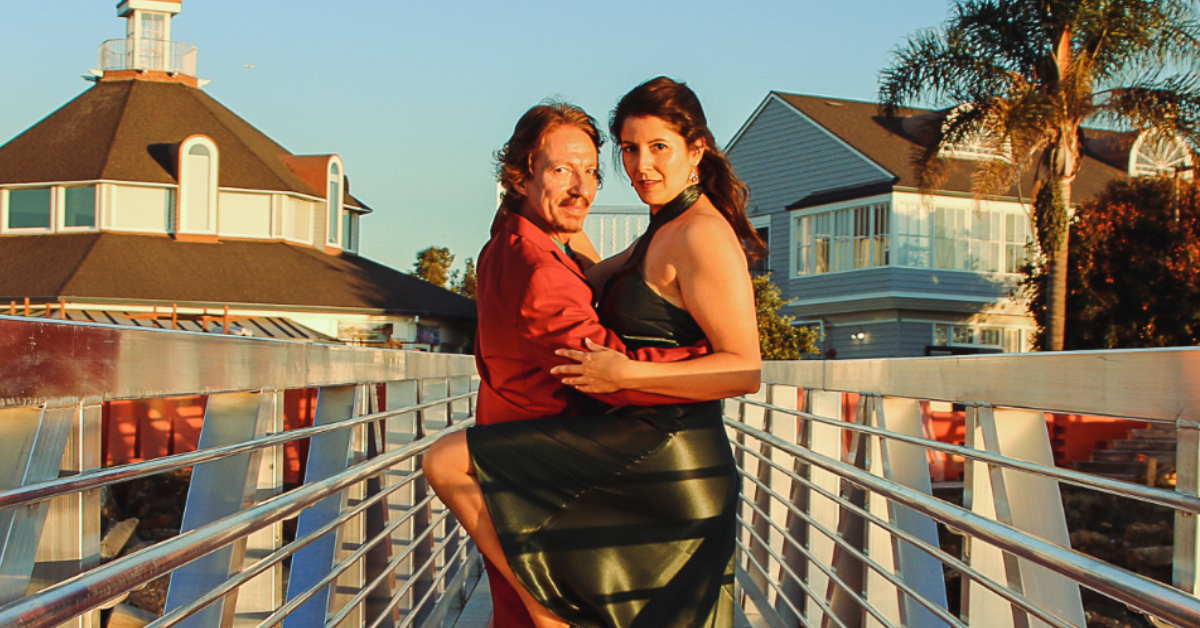
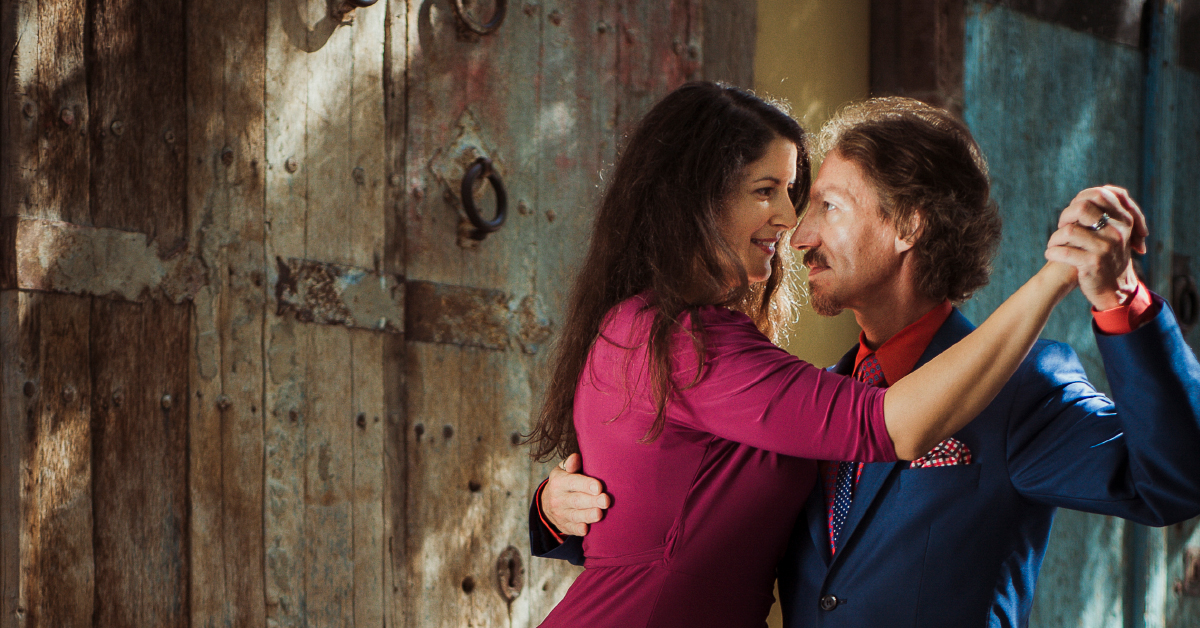
In my private lessons, my goal is to share with you the powerful and profound beauty of Tango.

Available at 5 Greene Place, Lafayette CA 94549

Book your private lesson...

Private lessons are the best way to learn Argentine Tango.

I make my students focus on the quality of their moves, musicality, and embrace, helping them bring out their own unique style as Argentine Tango dancers.

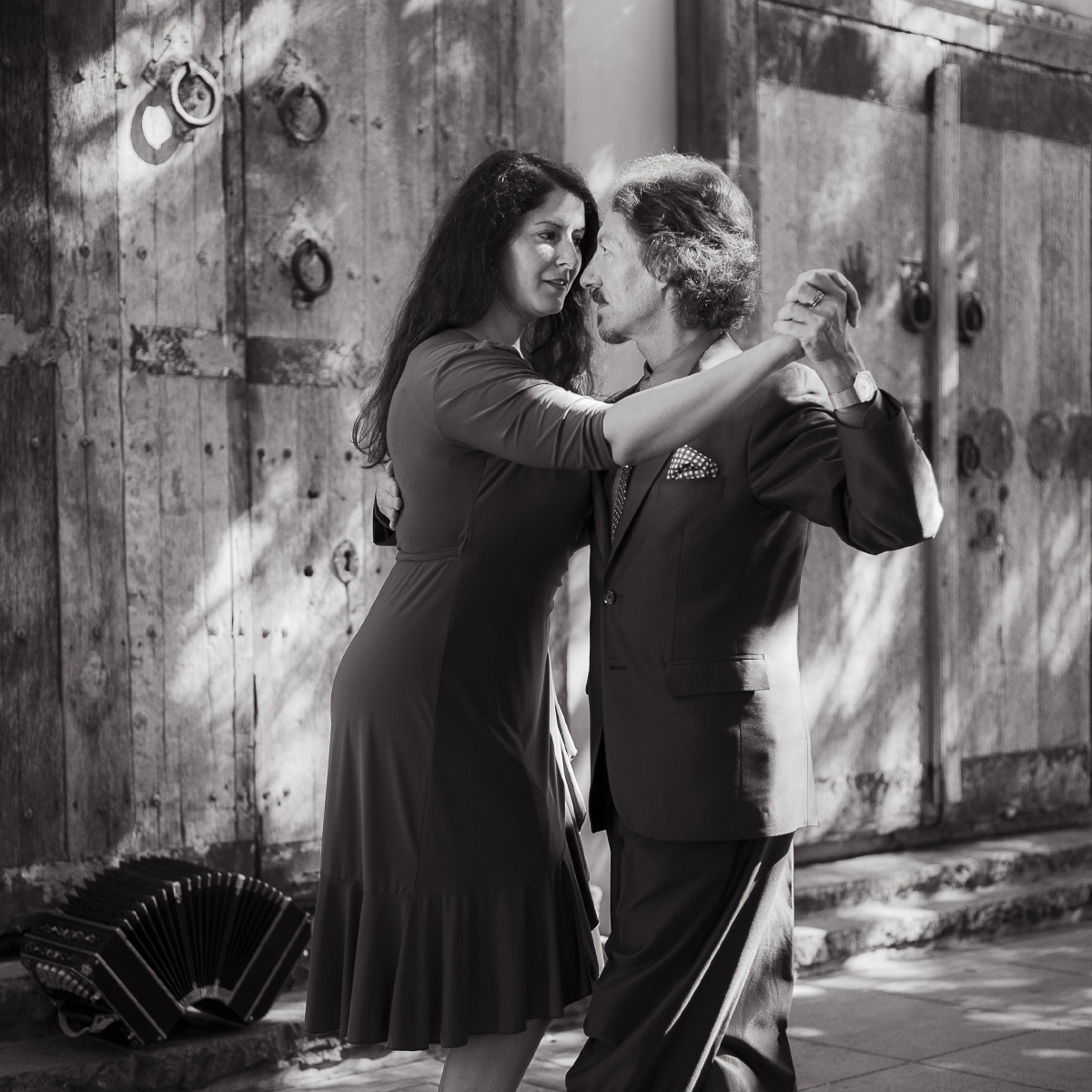
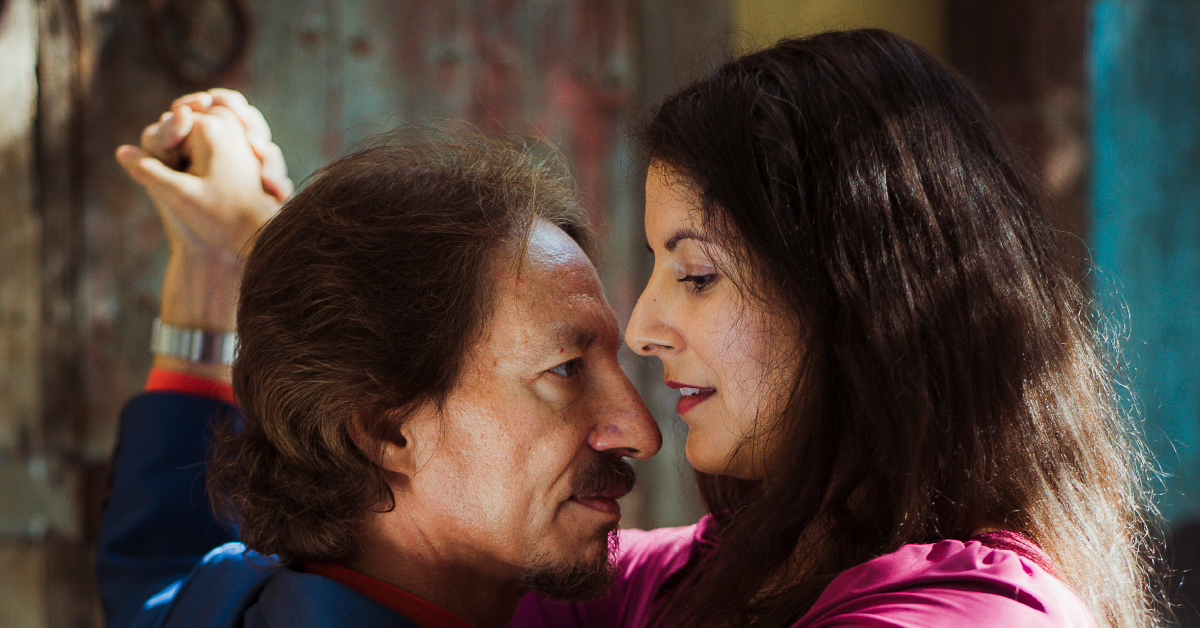
Embracing your partner and dancing Argentine Tango is to have a profound and creative conversation, full of joy and awakenings.

Learning to dance Argentine Tango requires training yourself in the art of such conversation.

There are no general formulas for your spontaneity, wit, and charm.

Connection and musicality, the essential elements of Argentine Tango, are the intrinsic fabric of this conversation.


Only in private lessons will you be guided accurately on the nuances and infinite shades that Argentine Tango can bring to your dancing experience.


Read more...


https://escuelatangoba.com/marcelosolis/location/argentine-tango-in-lafayette/

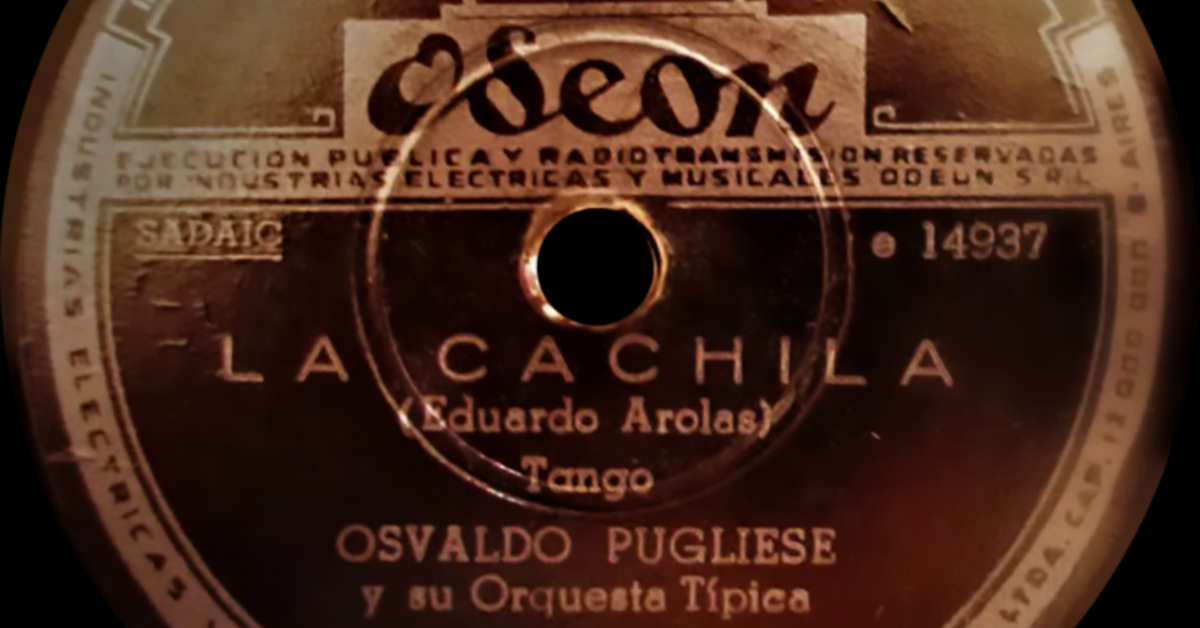
"La cachila" by Osvaldo Pugliese y su Orquesta Típica, 1945.


"La cachila" by Osvaldo Pugliese y su Orquesta Típica, 1945.

Eduardo Arolas

Bandoneonist, composer, and leader (24 February 1892 - 29 September 1924)

In 1921 Arolas returned from Europe and remained in Uruguay.

Possibly, this is the year in which he composed what is considered his masterpiece: “La Cachila”.

It has everything.

After an intense first part of incomparable beauty comes a second part with vibrant renovating rhythms, piercing, rich, and tearing.

That is the way it was interpreted by Osvaldo Pugliese.

It had become one of the classics of the genre, a permanent presence in the repertoire of orchestras of all times.

Read more about Eduardo Arolas and the History of Tango

Ver este artículo en españolWe have lots more music and history.

How to dance to this music?


https://escuelatangoba.com/marcelosolis/la-cachila-by-osvaldo-pugliese-y-su-orquesta-tipica-1945-argentine-tango-music/

Wednesday, September 28, 2022

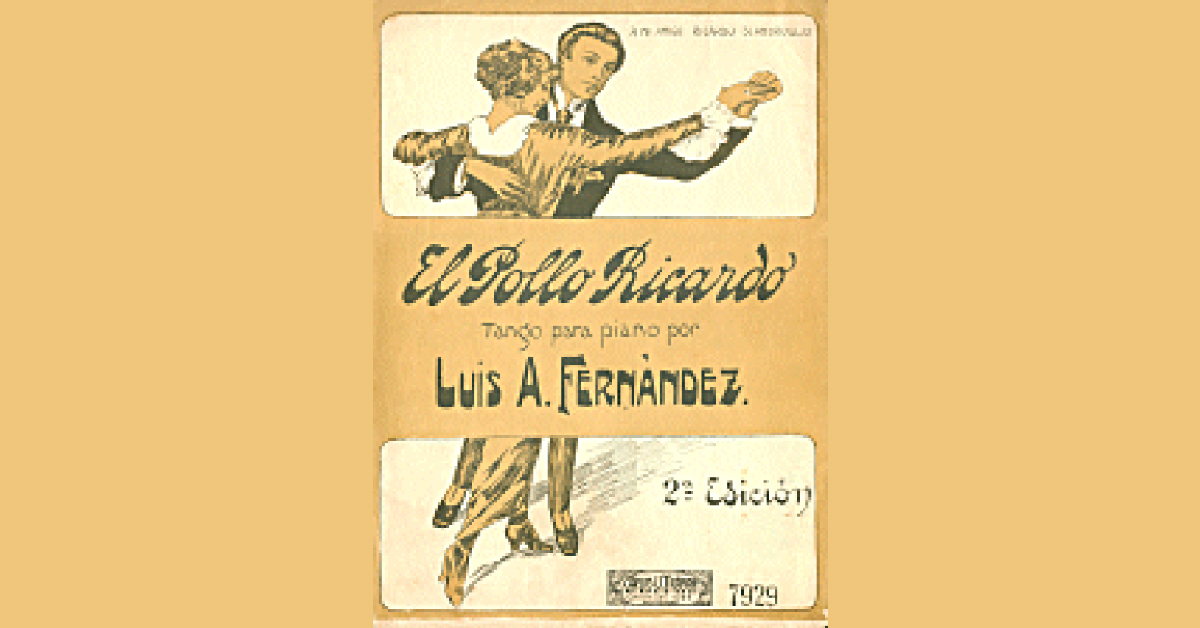
"El Pollo Ricardo" by Carlos Di Sarli y su Orquesta Típica, 1946.


“El Pollo Ricardo” by Carlos Di Sarli y su Orquesta Típica, 1946.

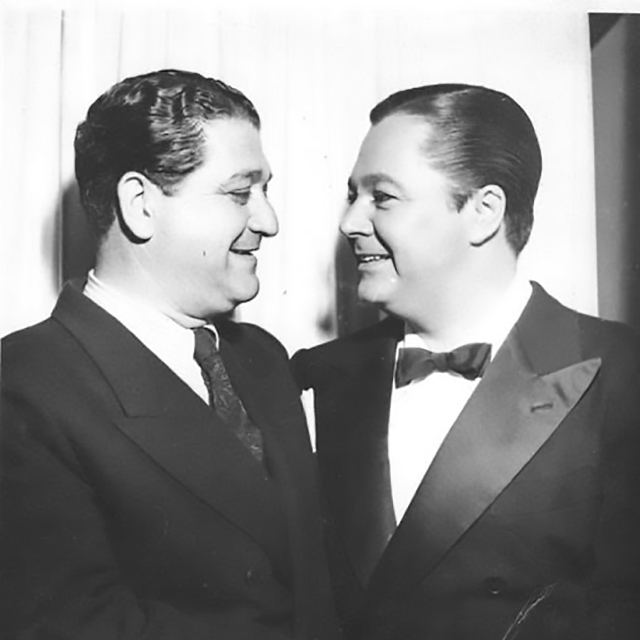
A story of two friends

In September 1940, the Carlos Di Sarli Orchestra recorded this tango to great public acclaim for the first time (he will record it again two more times).

The orchestra leader liked this piece so much that he cut it on three occasions: in September 1940, in March 1946, and in July 1951.

Who was this Pollo?

The true Pollo was an Uruguayan, born on September 29, 1890, who, when he was a kid, already mingled with adults at the bohemian café reunions, like those at La Giralda.

Read more about "El Pollo Ricardo" at www.todotango.com

Ver este artículo en español

We have lots more music and history

How to dance to this music?


https://escuelatangoba.com/marcelosolis/el-pollo-ricardo-by-carlos-di-sarli-y-su-orquesta-tipica-1946/

Tuesday, September 27, 2022

Monday, September 26, 2022

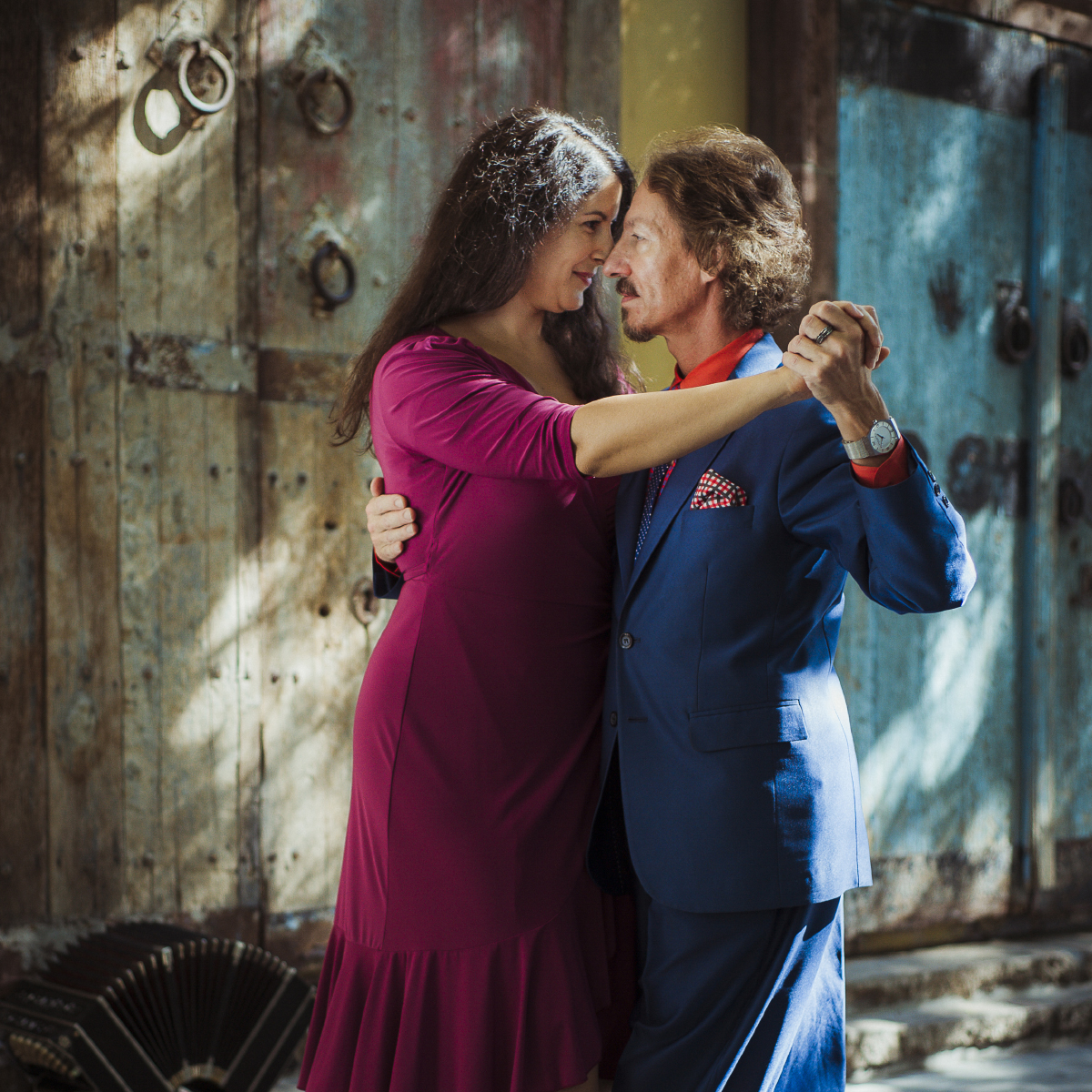
Our teaching philosophy and method

Our teaching philosophy and method

Our teaching philosophy and method

Tango cannot be taught in separate stages:

- It only makes sense to learn Tango by learning all its facets simultaneously: moves, musicality, connection to the partner, social environment, history, and culture.

- Any fragmentation of Tango in the process of teaching leads to misinterpretations.

Our method is integral.

- We begin with posture. It is comfortable, relaxed, and functional in relation to dancing, embracing, and being embraced by a partner.


- During the class, we use a set of exercises to develop the moves and responses that you need to have in your body in your muscle memory to be able to move harmonically with a partner in the situation of dancing at a milonga.


- These moves are connected to music. We practice those exercises at the beginning of every class. The moves would not be integrated into your muscle memory without repeating them a few times at every class or practice for a period of time.


- When we practice these exercises in a class, our objective is not just to use them in that class but to gradually incorporate them into your muscle memory, so they are available in your muscle memory for the classes you’ll take later.

Cadence:

- We show you how Tango music and dance are intrinsically related.


- The exercises and moves that we do in class are always explained in relation to music.


- After the initial exercises, we give each student a task related to his or her experience and possibilities.

Line of dance:

- We teach you to move on the line of dance from your very first class.


- You cannot really dance Tango without following the line of dance.


- Teaching Tango without teaching the line of dance is like teaching to drive in a parking lot and never explaining the basic rules of streets and highways.

Connection to the partner:

- We work on this aspect of Tango, showing that what keeps the couple together is the commitment of both partners to move as a couple.


- We show what you are supposed to focus on to achieve that.

Lead and follow:

- We lead and follow you to explain it without ambiguity.


- Leaders ought to learn to follow to understand how to lead.

Basic elements:

- We teach you what you must know to dance Tango as a good dancer in Buenos Aires milongas.

We will always tell you about Tango's history, past, and present, its music, its personalities, and its culture.

Start learning Argentine Tango.


https://escuelatangoba.com/marcelosolis/tango-classes/our-teaching-philosophy-and-method/

Argentine Tango classes in San Jose

Argentine Tango classes in San Jose

Argentine Tango classes in San Jose

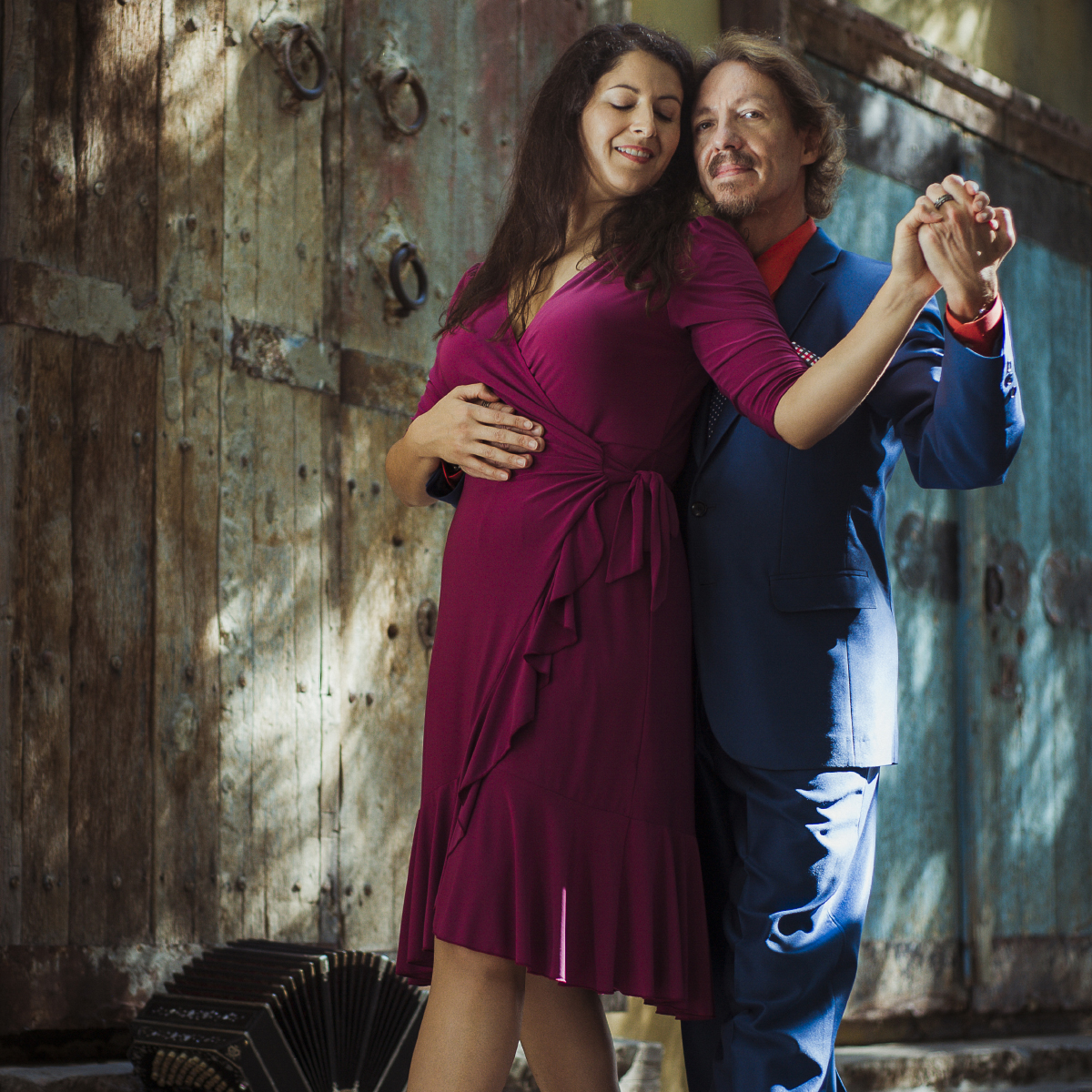
For San Jose and other South Bay Tango lovers interested in learning Argentine Tango close to home, we offer semi-private (small group) classes and private lessons on Bollinger Rd. in San Jose, and at Dance Boulevard on Hillsdale in San Jose.

6148 Bollinger Road, San Jose, CA 95129

Mondays 8pm - Intermediate level

Great parking

Small group classes limited to 6 couples. Group exercises with personalized attention to technique and body awareness. Bring your own partner or contact us to arrange a partner for you.

Registration needed.


https://escuelatangoba.com/marcelosolis/tango-classes/san-jose/

Saturday, September 24, 2022

Argentine Tango private lessons in San Jose at Dance Boulevard


Argentine Tango private lessons in San Jose at Dance Boulevard
I teach private lessons every Saturday at Dance Boulevard Studio


1824 Hillsdale Ave, San Jose, CA 95124.


Book now...

For other available times, please contact us...

In dancing Tango we show off our capacity to hug, making it a work of art.

Our hug is visible as far as our footwork and beyond.

This particular way of embracing is what distinguishes Argentine Tango from other partner dances.


It is precisely this characteristic that makes private lessons an essential part of your learning path.

Embracing your partner and dancing Argentine Tango is to have a profound and creative conversation, full of joy and awakenings.


The process of learning to dance Argentine Tango requires training yourself in the art of such conversation.


Read more...


https://escuelatangoba.com/marcelosolis/location/argentine-tango-private-lessons-in-san-jose-at-dance-boulevard/

Thursday, September 22, 2022

Argentine Tango in Lafayette

Argentine Tango in Lafayette

In my private lessons, my goal is to share with you the powerful and profound beauty of Tango.

Available at 5 Greene Place, Lafayette CA 94549

Book your private lesson...

Private lessons are the best way to learn Argentine Tango.

I make my students focus on the quality of their moves, musicality, and embrace, helping them bring out their own unique style as Argentine Tango dancers.

Embracing your partner and dancing Argentine Tango is to have a profound and creative conversation, full of joy and awakenings.

Learning to dance Argentine Tango requires training yourself in the art of such conversation.

There are no general formulas for your spontaneity, wit, and charm.

Connection and musicality, the essential elements of Argentine Tango, are the intrinsic fabric of this conversation.


Only in private lessons will you be guided accurately on the nuances and infinite shades that Argentine Tango can bring to your dancing experience.


Read more...


https://escuelatangoba.com/marcelosolis/location/argentine-tango-in-lafayette/

Why do we choose to dance Argentine Tango with some people and not with others?

Why do we choose to dance Argentine Tango with some people and not with others?

Why do we choose to dance with some people and not with others?

The first thing we should clarify is that possibly nothing in dance is absolutely conscious and voluntary and that chance always plays the leading role; I would even dare to generalize this introduction to all the processes of life and to everything that exists; but I am going to conform and remain in a rather humble place (which, coming from an Argentine, may arouse some incredulity), speaking only about the dance, restricting myself to a particular case of human life – although I would like you to know that I think that the dance (in this case the dance of the Tango, which I consider the kind of dance that is more dance than any other dance) is human life par excellence.

When we grow older and wise - if we weren't fortunate enough to be born wise - our most practical, sound wisdom turns out to be that we shouldn't spend our energies trying to control what is beyond our possibilities.

We can't handle much more than ourselves, and what little we can control other than ourselves, we achieve anyway through great control of our actions and attitudes.

As we learn to apply this general principle in the particular cases that the development of time brings to us, Tango dancers, that is, we milongueros, find ourselves facing a problem that is not small: dancing Tango implies a strong dependence on other people, which, we continually learn, we cannot control.


Since the only thing we can access some control is ourselves, we learn to be more and more careful and meticulous in choosing the people to whom we grant the privilege of becoming dependent on them, of giving ourselves.


So we could talk here about establishing a contract with these people, a pact that has the beauty of not being manifest, not written, not spoken, and that can be freely terminated and renewed by any of the parties, a relationship of privilege and freedom that we might as well call friendship; which could not be objectively defined, with for example a list of principles and requirements. This contract, this friendship, will be constantly defined and re-defined by the subjectivities involved.

I am referring not only to the people with whom we dance; but also to the people with whom we like to chat, laugh, share or sit close; because in the milonga, what is our manifest objective, intuitive or involuntary, is to inspire ourselves, which is sometimes explained in words like "being happy," and at the same time inspire and cause happiness in our colleagues.

On occasions we have danced with someone with whom we have felt such a connection, such an openness to express ourselves, such an encouragement to reveal our maximum capacities in the dance, that everything that was not dancing disappeared, and the world and the other couples on the dance floor were there in an almost imperceptible way; everything found its meaning and even the mistakes became necessary to that dance, so much so that, now we know, they were not mistakes, but capricious choreographic creations, daughters of chance and of our strength, intelligence and preparation to integrate everything that happens in the thread of our choreography, of our improvisation, like pearls and precious stones, and exotic and unknown flowers and creatures, that nature made appear there, for us, for our enjoyment.

Will it happen again? And with the same person?


There are no guarantees for this. Neither people nor any code establishes it. Only the freedom inherent in a friendship could come from a joyous and satisfying common experience.

However, even if we want that moment, that experience, and that state to return, we already know very well, if we are realistic, that nothing happens in the same way again. So, the dancer proposes a new goal each time: to wish and act following that wish, that the next time the dance, our dance, will be better.


And here we find that paradoxical problem: will the other person, the other people, want the same thing, something called better dancing, and that would mean at least approximately the same thing, or would it be complementary to what I call with those exact words?


This is a significant problem, and it appears here because dancing Tango is not at all something superficial. On the contrary, it requires we have the courage and the predisposition to face it, dedicate time to it, learn, study, observe, investigate, question, practice, create, do, recreate, and do countless times again, without worrying about quantities, because we could not dance Tango without being generous, starting with being generous with ourselves, with our living bodies, with our joy of being alive.

More articles about Argentine Tango

Leer este artículo en español

How to become a good dancer –and keep getting better. Find the answer

Music to learn to dance: Listen and dance!

Tango is a culture: Learn more about Tango


https://escuelatangoba.com/marcelosolis/why-do-we-choose-to-dance-with-argentine-tango-some-people-and-not-with-others/
Wednesday, September 21, 2022

Argentine Tango private lessons at Studio 204 in San Francisco

Argentine Tango private lessons at Studio 204 in San Francisco

Argentine Tango private lessons at Studio 204 in San Francisco.

Located at Old Sears Building, 3435 Cesar Chavez (at Valencia), San Francisco CA.

There is 1 hour parking slots inside. Street parking is good.

When you arrive, please dial 204 at the communicator to get to open the door.

Book your lesson...

Learn to dance and find out that dancing is the highest wisdom.


https://escuelatangoba.com/marcelosolis/location/argentine-tango-private-lessons-at-studio-204-in-san-francisco/

Tuesday, September 20, 2022

Argentine Tango music playlist #159

Argentine Tango music playlist #159

Argentine Tango music playlist

A selection of tangos, milongas, and valses.

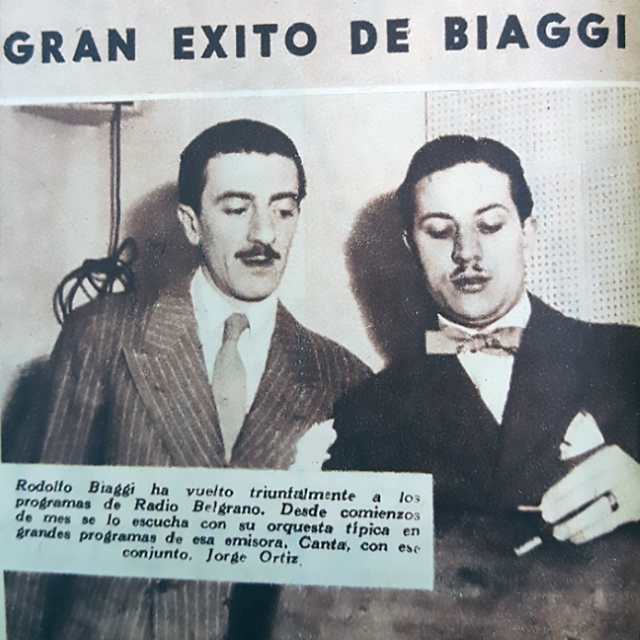
Argentine Tango music for dancing. prepared for classes, practice, or for your enjoyment. Starting with a set of tangos by Rodolfo Biagi orchestra with Jorge Ortiz, followed by Carlos Di Sarli's instrumental selection, and many more.

Know more about Argentine Tango music
Learn about Argentine Tango's history
Learn to dance Argentine Tango


https://escuelatangoba.com/marcelosolis/argentine-tango-music-playlist-159/

Monday, September 19, 2022

Argentine Tango classes in San Jose

Argentine Tango classes in San Jose

Argentine Tango classes in San Jose

For San Jose and other South Bay Tango lovers interested in learning Argentine Tango close to home, we offer semi-private (small group) classes and private lessons on Bollinger Rd. in San Jose, and at Dance Boulevard on Hillsdale in San Jose.

6148 Bollinger Road, San Jose, CA 95129

Mondays 8pm - Intermediate level

Great parking

Small group classes limited to 6 couples. Group exercises with personalized attention to technique and body awareness. Bring your own partner or contact us to arrange a partner for you.

Registration needed.


https://escuelatangoba.com/marcelosolis/tango-classes/san-jose/

Saturday, September 17, 2022

Why do we choose to dance with Argentine Tango some people and not with others?

Why do we choose to dance with Argentine Tango some people and not with others?

Why do we choose to dance with some people and not with others?

The first thing we should clarify is that possibly nothing in dance is absolutely conscious and voluntary and that chance always plays the leading role; I would even dare to generalize this introduction to all the processes of life and to everything that exists; but I am going to conform and remain in a rather humble place (which, coming from an Argentine, may arouse some incredulity), speaking only about the dance, restricting myself to a particular case of human life – although I would like you to know that I think that the dance (in this case the dance of the Tango, which I consider the kind of dance that is more dance than any other dance) is human life par excellence.

 When we grow older and wise - if we weren't fortunate enough to be born wise - our most practical, sound wisdom turns out to be that we shouldn't spend our energies trying to control what is beyond our possibilities.

We can't handle much more than ourselves, and what little we can control other than ourselves, we achieve anyway through great control of our actions and attitudes.

As we learn to apply this general principle in the particular cases that the development of time brings to us, Tango dancers, that is, we milongueros, find ourselves facing a problem that is not small: dancing Tango implies a strong dependence on other people, which, we continually learn, we cannot control.

 Since the only thing we can access some control is ourselves, we learn to be more and more careful and meticulous in choosing the people to whom we grant the privilege of becoming dependent on them, of giving ourselves.

 So we could talk here about establishing a contract with these people, a pact that has the beauty of not being manifest, not written, not spoken, and that can be freely terminated and renewed by any of the parties, a relationship of privilege and freedom that we might as well call friendship; which could not be objectively defined, with for example a list of principles and requirements. This contract, this friendship, will be constantly defined and re-defined by the subjectivities involved.

 I am referring not only to the people with whom we dance; but also to the people with whom we like to chat, laugh, share or sit close; because in the milonga, what is our manifest objective, intuitive or involuntary, is to inspire ourselves, which is sometimes explained in words like "being happy," and at the same time inspire and cause happiness in our colleagues.

 On occasions we have danced with someone with whom we have felt such a connection, such an openness to express ourselves, such an encouragement to reveal our maximum capacities in the dance, that everything that was not dancing disappeared, and the world and the other couples on the dance floor were there in an almost imperceptible way; everything found its meaning and even the mistakes became necessary to that dance, so much so that, now we know, they were not mistakes, but capricious choreographic creations, daughters of chance and our strength, intelligence and preparation to integrate everything that happens in the thread of our choreography, of our improvisation, like pearls and precious stones, and exotic and unknown flowers and creatures, that nature made appear there, for us, for our enjoyment.

Will it happen again? And with the same person?

There are no guarantees for this. Neither people nor any code establishes it. Only the freedom inherent in a friendship could come from a joyous and satisfying common experience.

 However, even if we want that moment, that experience, and that state to return, we already know very well, if we are realistic, that nothing happens in the same way again. So, the dancer proposes a new goal each time: to wish and act following that wish, that the next time the dance, our dance, will be better.

 And here we find that paradoxical problem: will the other person, the other people, want the same thing, something called better dancing, and that would mean at least approximately the same thing, or would it be complementary to what I call with those exact words?

 This is a significant problem, and it appears here because dancing Tango is not at all something superficial. On the contrary, it requires we have the courage and the predisposition to face it, dedicate time to it, learn, study, observe, investigate, question, practice, create, do, recreate, and do countless times again, without worrying about quantities, because we could not dance Tango without being generous, starting with being generous with ourselves, with our living bodies, with our joy of being alive.

More articles about Argentine Tango

Leer este artículo en español
Learn more about Tango


https://escuelatangoba.com/marcelosolis/why-do-we-choose-to-dance-with-argentine-tango-some-people-and-not-with-others/
Argentine Tango private lessons in San Jose at Dance Boulevard


Argentine Tango private lessons in San Jose at Dance Boulevard
I teach private lessons every Saturday at Dance Boulevard Studio


1824 Hillsdale Ave, San Jose, CA 95124.


Book now...

For other available times, please contact us...

In dancing Tango we show off our capacity to hug, making it a work of art.

Our hug is visible as far as our footwork and beyond.

This particular way of embracing is what distinguishes Argentine Tango from other partner dances.


It is precisely this characteristic that makes private lessons an essential part of your learning path.

Embracing your partner and dancing Argentine Tango is to have a profound and creative conversation, full of joy and awakenings.


The process of learning to dance Argentine Tango requires training yourself in the art of such conversation.


Read more...


https://escuelatangoba.com/marcelosolis/location/argentine-tango-private-lessons-in-san-jose-at-dance-boulevard/

Thursday, September 15, 2022

Argentine Tango in Lafayette

Argentine Tango in Lafayette

In my private lessons, my goal is to share with you the powerful and profound beauty of Tango.

Available at 5 Greene Place, Lafayette CA 94549

Book your private lesson...

Private lessons are the best way to learn Argentine Tango.

I make my students focus on the quality of their moves, musicality, and embrace, helping them bring out their own unique style as Argentine Tango dancers.

Embracing your partner and dancing Argentine Tango is to have a profound and creative conversation, full of joy and awakenings.

Learning to dance Argentine Tango requires training yourself in the art of such conversation.

There are no general formulas for your spontaneity, wit, and charm.

Connection and musicality, the essential elements of Argentine Tango, are the intrinsic fabric of this conversation.


Only in private lessons will you be guided accurately on the nuances and infinite shades that Argentine Tango can bring to your dancing experience.


Read more...


https://escuelatangoba.com/marcelosolis/location/argentine-tango-in-lafayette/