Sunday, January 7, 2024

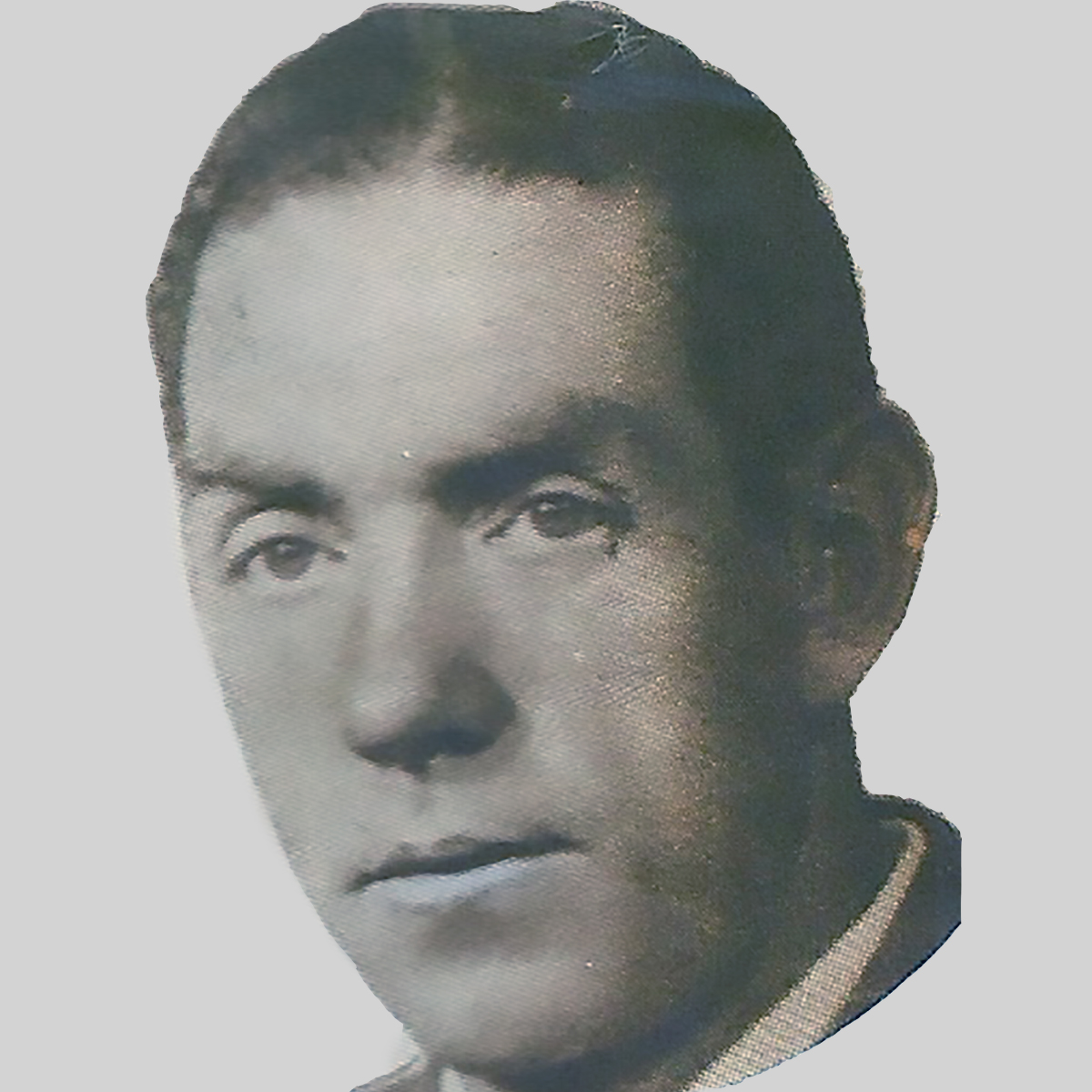
Di Sarli, Carlos

Di Sarli, Carlos

Di Sarli, Carlos

"El Señor del Tango"

Pianist, composer, and leader.

(January 7, 1903 - January 12, 1960)

He was a talented pianist, maybe one of the most important, who conducted his orchestra from his instrument, with which he mastered the outfit's synchrony and performance.

In his orchestral scheme, there were no instrumental solos; the bandoneon section sang, at times, the melody, but it had an essentially rhythmic and danceable role. Only the violin was showcased in a highly delicate way, on a brief solo or a counter melody.
The piano-led in a suggesting way, with an embellished bass line, which turned into a trademark of the maestro, linking the bars of the piece and stressing the delicate, elegant rhythm, especially for dancing. Learn more at todotango.com.

More Tango music


https://escuelatangoba.com/marcelosolis/argentine-tango-resourses/argentine-tango-music/di-sarli-carlos/

Tuesday, January 2, 2024

From Posture to Pivot: A Journey to Excellence in Argentine Tango Dancing

From Posture to Pivot: A Journey to Excellence in Argentine Tango Dancing

From Posture to Pivot: A Journey to Excellence in Argentine Tango Dancing

Learning to dance Argentine Tango requires passionate dedication and practice.

Here, we offer indispensable details regarding Argentine Tango and exercises to help you improve your dancing skills.

Whether you are a beginner without any dancing experience, an intermediate dancer looking to polish your dance, or an advanced dancer in search of perfecting your moves, practicing these exercises as often as possible will take your dance to the next level.

Our Argentine Tango semi-private (small group) classes and private lessons at Escuela de Tango de Buenos Aires focus on posture, walking, awareness, connection, and musicality.

This article offers essential insights and practical exercises to help you become a great Tango dancer, a true milonguera or milonguero.

Practicing them often will improve your technique, allowing you to express your emotions and achieve a superb interpretation of the music.

To learn more about Argentine Tango music, please refer to our dedicated page...

Posture

Definition:

Our upright posture manifests extraordinary qualities.

We, humans, are unique among all known species. Our upright posture manifests extraordinary qualities. By the way, we stand up and present ourselves; we tell our own story, who we are, what we strive for, our dreams, our ideals, our thoughts, and our emotions. Through working on our posture we work not only on our body but on our entire persona. Therefore, from the perspective of a milonguero, good posture is not merely instrumental, achieved and developed only for the purpose of dancing well, but, in addition to our dance, the way we exist, presented to ourselves and everybody. What we can see in our posture (whether it’s the same or different from what everyone else sees) informs us and shows what we can improve about ourselves.


Technical details and exercises:


- Legs and feet together, your weight distributed equally between them.

- Shift your weight to one foot, displacing your vertical axis in the direction of the foot that holds your weight.


- Keep the inside edge of your foot that is free of weight in contact with the floor (“inside edge position”).


- Maintain your weight comfortably on the standing foot by conducting the weight of your body through it to the floor.

- Knees close to each other. Your knees maintaining a constant connection to your axis, which passes through the center of your body, from the top of your head to the center of the base of your body in regard to your weight distribution on one foot or between both feet.

- Hips level, your ilia (hip bone) parallel to the floor, aligned with your transversal plane.

- Torso aligned with your vertical axis, head rests on your torso, which rests on your legs.

- Neck and head aligned with the same vertical axis.

- Alignment of all your body parts to your central axis becomes essential: head, neck, torso, hips, legs, feet.

- Eyes looking forward. Sight aligned with the floor, looking to the horizontal line.


Walk


Definition:

As with our posture, our human walk is also unique.

As with our posture, our human walk is also unique. In the case of dancing Tango, we are required to develop a way of walking which, remaining natural, serves the purpose of walking in the intimate company of our partner, embraced by each other, among other couples, creating a silent poetic dialogue with our bodies and in connection with the cadence of Argentine Tango music. This kind of music was devised to serve such a purpose, and always guides us on how to move in such situations.


Technical details and exercises:


- After shifting your weight to one foot, move the leg that is free of weight forward and backward like a pendulum, maintaining light contact with the floor, using the "inside edge position" when passing through the "collect position” when both feet are together.


- Then move the leg that is free of weight to the side, keeping your foot in touch with the floor, always using the “inside edge position”.


- Last, make small circles while keeping your foot in touch with the floor, using the "inside edge position" while passing through the "collect position” when both feet together, and when stepping into the side position.


- Keep your ilia at the same height, parallel to the floor, aligned with the transversal plane.

- The movement of your leg is rooted in the ball and socket joint, which connects your femur to your hip.

- Release both your knee and ankle joints so they can move freely.

- The knee of the supporting leg is in a relaxed, ready state, neither bent nor locked.

- Walk naturally, swinging the leg that is free of weight forward, extending it a little, letting your axis move in the same direction and maintaining it vertically through the transition, pushing gently from your back standing leg, and transferring your weight to the front leg at the end of this process, keep your foot in touch with the floor, softly, without dragging it.


- Reverse the process to walk backwards. Pay close attention to the back of your foot by pointing it backwards when extending the leg that is free of weight, keep your foot in touch with the floor at all times, softly, without dragging it.

- Maintain all details regarding your posture as described before.

- At every step, take a back and forth step movement, changing your weight between feet. Practice this exercise going forward and backward.


- Use this element to change directions when walking forward to backward and vice versa.


Pivot


Definition:

Rotation of your body's axis as it passes through the ball of your standing foot.

Rotation of your body's axis as it passes through the ball of your standing foot. To pivot, rotate your torso in a clockwise or counter-clockwise direction, producing a torque which gently pulls your lower body into a rotation that follows in the same direction as your torso.


Technical details and exercises:


- Maintain the “inside edge position” when you pivot.


- Step forward after pivoting, aligning your foot that is free of weight with your lower sagittal plane.


- Direct your step forward in a circular trajectory around your partner. Orient the center of your torso towards the central axis of the couple.

- From the step forward to the next position going forward, in which you will transfer your weight to the front foot, your torso is already rotating towards the center of the couple, so the foot that remains behind, by the pull of this torsion, which takes the shape of a spiral, turns your back foot, first, to the inside edge in contact with the floor, and then, makes it travel to your sagittal line, to the “collect/inside edge position”.

- After this “collect/inside edge position”, we research these possibilities: 1. Forward ocho: Pivot more continuing in the same direction of your established rotation and move the foot that is free of weight forward, in alignment with your lower sagittal plane, your torso torquing according to counter body movement, orienting the center of your chest to the central axis of the couple. 2. Forward-side: Pass the foot that is free of weight behind the heel of your standing/pivoting foot while keeping the inside edge in contact with the floor, and continue to the side around your partner.


3. Backward ocho: When you reach the collect position, reverse the movement, bringing the leg that is free of weight back to the starting point when it was behind you. At this point you can collect/inside edge position and from there: a) Continue pivoting the same direction as your established rotation and move the leg that is free of weight backward, aligned with your lower sagittal plane, your torso torquing according to counter body movement, orienting the center of your chest to the central axis of the couple (backward ocho).


b) Reverse the rotation of the pivot and return forward with the leg that is free of weight to the previous position (boleo).


NOTE about knees: the knee of the leg that is free of weight passes behind the standing leg, fitting its convex shape into the concave space behind the knee of your standing leg, moving all around the standing leg until getting its concave back in front of its convex shape, making your feet end crossed. Your standing leg needs to be in a relaxed ready position, neither bent nor locked, while your leg that is free of weight is extended with a tension comparable to the tension of a well-tuned musical instrument string. Exercise: Move your leg that is free of weight around your standing leg back and forth.


Boleo


Definition:

A back and forth movement of the leg without changing weight.

Since our legs move like pendulums, a back and forth movement of the leg without changing weight is possible. We call this “boleo”. This pendular movement of the leg that is free of weight is most often combined with the spiral movement of the leg described above in relation to pivoting.


Technical details and exercises:


- Keeping the leg that is free of weight in the "inside edge position," pivot back and forth, allowing it to swing like a pendulum, while maintaining the details described above about knees and legs.


- Do forward and backward ochos and practice the back and forth pendulum in every pivot.


Connection


Definition:

We are supremely gifted with the ability to connect to others.

We are supremely gifted with the ability to connect to others. It is also an intrinsic necessity of our human condition. Our capacity for connection with other human beings predates the appearance of language. Dancing Tango puts this primordial skill into play, connecting us without words.


Technical details and exercises:


- Partner up facing each other and walk forward and backward maintaining the same distance between partners. One must lead and the other must follow.


- When the leader walks backward, he places his partner to the right as the follower walks forward (outside partner position).

- When the leader walks forward, he will walk in front and outside partner position. His left leg will always make the first step outside and in front.


Line of dance


Definition:

All couples on the dance floor move counter clockwise direction.

All couples on the dance floor move counter clockwise direction.


Technical details and exercises:


- Partner up and face each other on the dance floor, oriented in a way that the leader walks forward and the follower walks backward, the couples travel on the dance floor in a counter clockwise direction.

- Hands on each other’s shoulders.

- Walk in outside and in front partner position.

- Pause when in front of your partner.

- Lead forward/backward movement when in outside partner position.


Systems


Definition:

There are two fundamental ways to combine movement of the four legs of a couple.

There are two fundamental ways to combine movement of the four legs of a couple: 1. Parallel system: The leader's left leg moves in sync with the follower’s right leg and vice versa. 2. Crossed system: The leader's left leg moves in sync with the follower’s left leg and vice versa.


Technical details and exercises:

Walk in front of each other, leaders forward and followers backwards.


- In parallel system, inside/outside.

- Change of system technique: leader’s left step, feet together, left again; followers always move the foot that is free of weight.


- In crossed system: 1. On the open side.


2. In front.


3. On the closed side.


NOTE about distribution of weight: Leaders always rest their weight on both feet; followers are always lead to rest their weight on one foot.


Embrace


Definition:

It’s a very humane characteristic.

It’s a very humane characteristic, since we stand on two feet and our arms are free. Social dancing started in Europe during the Renaissance. Before dancing was ritual. In the beginning partners wouldn’t touch at all. Then they took each other’s hands in the minuet. Then the woman was on the man’s arms in the waltz. We can observe the tendency of partners getting closer to each other. Finally the couple dances intimately embraced in Tango.


Technical details and exercises:


- Hold hands, like an honest handshake.

- Center of your chests in front of each other.

- A vertical axis of the couple passes through this center between your chests.

- You can imagine a ball bearing as the joint between you and your partner, located in the central axis of the couple, at the midpoint of connection between each partner’s chest.

- The right hand of the leader is in complete contact with the follower’s mid-back.

- The embrace is neither too loose nor too tight. It must be warm, relaxed, versatile, and consistent.


Leer este artículo en español


More articles about Argentine Tango


https://escuelatangoba.com/marcelosolis/how-to-dance-argentine-tango-the-most-important-details/

Thursday, December 7, 2023

"Así se baila el Tango" by Ricardo Tanturi y su Orquesta Típica with Alberto Castillo, 1942.


"Así se baila el Tango" by Ricardo Tanturi y su Orquesta Típica with Alberto Castillo in vocals, 1942.

Alberto Castillo

Singer, actor, composer and lyricist (December 7, 1914 - July 23, 2002)

Alberto Castillo's distinctive style perhaps finds its roots in the whimsically humorous charm prevalent in the backgrounds of Rosita Quiroga, Sofía Bozán, or Tita Merello. However, it's crucial to note that these figures do not serve as influences on Castillo, as there exists neither a discernible similarity among them nor does Castillo bear any resemblance to them. Rather, they can be grouped together—alongside the subsequent addition of Elba Berón—due to a shared essence characterized by an unrefined cadence.

What ties them together is not an influence but a common atmosphere, a shared unpolished rhythm.

Yet, when Alberto Castillo delves into profound themes, the remarkable tenderness he imparts becomes evident.

In essence, he is a "voice that resonates unlike any other," echoing the profound words of the unforgettable Julián Centeya.

Read more about Alberto Castillo at www.todotango.com

Ver este artículo en español

We have lots more music and history

How to dance to this music?


https://escuelatangoba.com/marcelosolis/asi-se-baila-el-tango-by-ricardo-tanturi-y-su-orquesta-tipica-with-alberto-castillo-1942/

Saturday, November 25, 2023

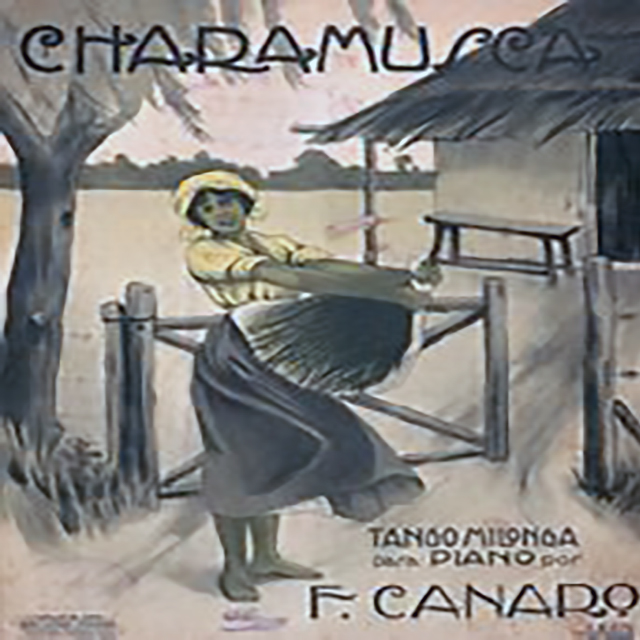
"Charamusca" by Francisco Canaro y su Orquesta Típica, 1934.


"Charamusca" by Francisco Canaro y su Orquesta Típica, 1934.

Francisco Canaro

Musician, violinist, leader and composer. (November 26, 1888 - December 14, 1964)

His life parallels Tango's history: starting in the poorest neighborhoods of Buenos Aires, moving up the social ladder, and eventually achieving worldwide recognition.

His passion for music began in his childhood.

He decided that he wanted the music to be his profession, formed a trio, and went to play in a brothel in the town of “Ranchos”, eighty miles south of Buenos Aires, in 1906.

Canaro helped Tango to find its way to complete acceptance by all the sectors of Buenos Aires society, being the first Tango musician to play at the private parties celebrated in the houses of some of the most prominent upper-class families of Buenos Aires.

As a composer, from his first tangos, we like to share "Charamusca".

Read more about Francisco Canaro and the History of Tango

We are happy to have collaborated with the people from tangotunes.com, from whom some of you may have heard; they do high-quality transfers from original tango shellacs.


It is the number 1 source for professional Tango DJs worldwide.

- Now, they started a new project that addresses the dancers, and the website is https://en.mytango.online
You will find two compilations at the beginning, one tango and one vals compilation in amazing quality.
The price is 50€ each (for 32 songs for each compilation), and now the good news!

If you enter the promo code 8343 when you register at this site you will get a 20% discount!


Thanks for supporting this project, you will find other useful information on the site, a great initiative.

Ver este artículo en español

We have lots more music and history

How to dance to this music?


https://escuelatangoba.com/marcelosolis/charamusca-by-francisco-canaro-y-su-orquesta-tipica-1934-argentine-tango-music/

Friday, November 24, 2023

"Así se canta" by Ricardo Tanturi y su Orquesta Típica with Enrique Campos in vocals, 1943.


"Así se canta" by Ricardo Tanturi y su Orquesta Típica with Enrique Campos in vocals, 1943.

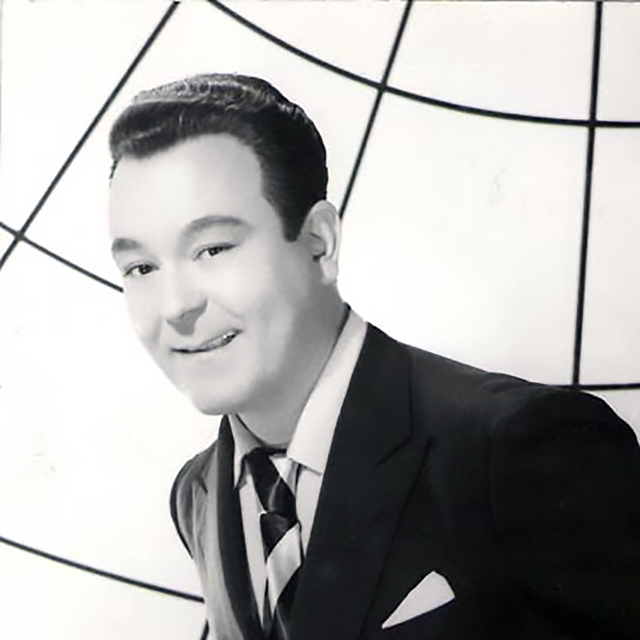
Marvil

Lyricist and composer (November 24, 1902 - May 8, 1976)

Marvil, a highly esteemed lyricist, left an indelible mark on the world of Tango, and his lyrical creations resonate across the lively atmospheres of milongas.

Embarking on his journey into tango lyricism in the mid-thirties, Marvil dedicated two fruitful decades to crafting evocative verses. From the outset, he achieved remarkable success, his compositions striking a chord with audiences.

Collaborating with numerous musicians, Marvil skillfully melded his words with captivating melodies.

A multitude of renowned voices lent their talent to bring his tangos to life.

A true maestro of Tango, Marvil adeptly captured the essence of his era. Infusing his work with a blend of humor and sensitivity, he painted a nostalgic portrait of his youth using watercolors that exuded tenderness and bore the distinctive mark of the forties.

Read more about Marvil at www.todotango.com

We are happy to have collaborated with the people from tangotunes.com, from whom some of you may have heard; they do high-quality transfers from original tango shellacs.


It is the number 1 source for professional Tango DJs worldwide.

- Now, they started a new project that addresses the dancers, and the website is https://en.mytango.online
You will find two compilations at the beginning, one tango and one vals compilation in amazing quality.
The price is 50€ each (for 32 songs for each compilation), and now the good news!

If you enter the promo code 8343 when you register at this site you will get a 20% discount!


Thanks for supporting this project, you will find other useful information on the site, a great initiative.

Ver este artículo en español

We have lots more music and history

How to dance to this music?


https://escuelatangoba.com/marcelosolis/asi-se-canta-by-ricardo-tanturi-y-su-orquesta-tipica-with-enrique-campos-in-vocals-1943-argentine-tango-music/

Friday, November 10, 2023

The Essence of Argentine Tango: A Journey of Self-Discovery and Community Celebration

The Essence of Argentine Tango: A Journey of Self-Discovery and Community Celebration

The Essence of Argentine Tango: A Journey of Self-Discovery and Community Celebration

To dance Argentine Tango is to experience life to its fullest.

Immersed in the essence of Argentine Tango, you embody a sense of wholeness.

Nurturing a profound connection with your body, you command your every move, breath, and emotion.

It's a mutual exchange of life's beauty and flaws, fostering warmth, empathy, and shared amusement.

It means belonging to a community of friends sharing the same joyous celebration.

Delving into the intricate world of Argentine Tango is an exploration of the self, a profound journey of self-discovery that challenges individuals to unearth a deeper understanding of their bodies and emotions.

Beyond the physical aspects, this dance form fosters connections and camaraderie, bringing together a diverse community of individuals bonded by their shared passion for Tango.

From the intimate embrace to the synchronized steps, every move celebrates life's joys and complexities, offering a unique perspective on human emotions and experiences.

As dancers immerse themselves in the rhythm and grace of Tango, they embark on a transformative journey that enriches their understanding of the dance and enhances their appreciation for the interconnectedness of the human experience.

Argentine Tango takes you to experience a profound sense of vitality as it encourages personal growth and demands a continual rediscovery of initial sensations through a deeper grasp of the human essence.

More articles about Argentine Tango


https://escuelatangoba.com/marcelosolis/what-is-dancing-argentine-tango/

Thursday, October 26, 2023

Dancing Argentine Tango: A Philosophy of Life and the Art of Being Human

Dancing Argentine Tango: A Philosophy of Life and the Art of Being Human

Dancing Argentine Tango: A Philosophy of Life and the Art of Being Human

To truly dance, one must live as a dancer lives.

By this, I do not mean dedicating oneself to dance as a profession. I wish to elucidate this idea through the following comparison:


If I were fond of riding a bicycle, I would require a well-crafted bicycle manufactured in a factory. It would be ready for me, with its tires inflated and its chain perfectly oiled, as soon as I hopped on and began pedaling.


The body and soul of a dancer are akin to this bicycle. Similar to how crafting a bicycle from scratch to ride it would be arduous, attempting to dance with an unconditioned, untrained, and unprepared body is equally challenging. Essentially, my body must be 'manufactured' beforehand, conditioned, trained, and primed to dance.

As I cannot dance without a dancer's body, and since I have only my body at my disposal from the moment I rise each morning, I must ensure that it is always primed for the dance floor.

While I believe anyone can dance at any time with minimal preparation because being human inherently involves being a being that dances, dancing Tango, in my view, demands much more in terms of subtleties, skills, perception, and awareness.

It is akin to philosophizing about the fundamental aspects of life, contemplating the value of life itself and the reasons for existence. In this contemplation, language may not always serve us best; sometimes, silence might be the most appropriate response.

This silence, however, is not resignation but rather a celebration. It reveals that the absence of our everyday language may not be a hindrance but rather an aid in answering the profound questions we face in our solitary moments.

As music, dance, culture, and a philosophy of life, Tango is more than the sum of its parts. It evokes excitement, love, meaning, and a sense of fulfillment we often dreamed of in our childhood. Perhaps it is not through exhaustive technical study, training, and the application of objective principles that we attain Tango. Instead, these endeavors only prepare the ground, nurturing it until it becomes fertile enough for us to become dancers truly.


What do we, as dancers, desire?


Perhaps it is to transcend the limitations of our bodies and embrace the joy of movement fully. Happiness, rather than an end in itself, could be seen as a tool for a life imbued with purpose and meaning.

Understanding our bodies and their spiritual implications through training and knowledge is crucial in this pursuit. We can then carry this wisdom into our social and intimate relationships, recognizing ourselves in others and knowing ourselves better through this mutual recognition. This is what truly makes us dancers.

This is why I believe conventional marketing, as professionals understand, cannot aid me in finding new students, encouraging more dancers to join milongas, or promoting Tango in its true essence.

For me, Tango embodies Friendship. How can one market friendship? And if it cannot be marketed, does it lose its value?

My students and I share a profound friendship rooted in our shared love for a dear friend called Argentine Tango. ❤️

Leer este artículo en español

More articles about Argentine Tango

Learn more about Tango


https://escuelatangoba.com/marcelosolis/to-dance-to-live-like-a-dancer/

Wednesday, October 18, 2023

Embarking on the Journey to Mastering Argentine Tango

Embarking on the Journey to Mastering Argentine Tango

Embarking on the Journey to Mastering Argentine Tango

What is Argentine Tango?

Given that Argentine Tango is not easily described in abstract terms, I find it challenging to convey its essence through mere words or generalizations.

Thus, I resort to sharing my personal experiences with you.

Living Tango: Embracing the Essence Beyond Profession

Tango isn't my profession in the way your work is for you. For you, it's effort; for me, it's effortless. You work all day, longing for it to end, but I can't wait to dance more. You may call in sick, but I strive to stay healthy and dance my best every day. I've molded my life this way, akin to Sisyphus rolling his rock, but my task brings joy, not torment.

Teaching is a part of this process. With my students, we aim to enhance our dancing. Our growth benefits everyone, as we share the same dance floor at the milonga. My students' progress improves my dancing, and my improvement helps them in return. It's a perpetual spiral of betterment.

Does this mean I don't deserve payment for what I do, given that your work is a source of pain while mine brings joy?

Think of the money you give as an investment in your Tango. What benefits me also benefits the whole Tango community and, ultimately, you. I've devoted myself to Tango, which includes you if you're part of Tango.

If you're a new student, joining us means being part of a beautiful group striving to become better Tango dancers and milongueros.

You don't haggle over gas prices as you deal with a massive corporation. In contrast, I rely on your collaboration, besides the support of those who love me. If you can live without Tango, do so.

I offer deals, discounts, and generosity from my dance and life, not from an external source. To be generous is to live fully. I see dance as life's unstoppable productivity.

Don't trivialize Tango. It's not mere entertainment; it's a profound connection. Tango is not an "addiction" but a way of being.

Your path in life depends on what you desire. If you want nothing, you'll get nothing. If you seek a fulfilling life, it demands your all.

The Transformative Essence of Argentine Tango: A Lifelong Journey

If you don’t dance, being able to dance will demand from you a transformation.

If you do not dance, you are not a dancer. To dance, you will need to be a dancer, that means to become a dancer. To dance and not be a dancer is a contradiction. Observe that the most important word here is the verb "to be". Now you can understand that if you do not dance now, to be able to dance, eventually, a transformation of yourself is needed. If you are unsure about it, or you are satisfied with yourself and your life and do not want to change anything, then you don't want to dance, and if you don't want to dance, you won't dance.

Let's define a dancer: someone who continuously pursues improvement as a whole, becoming stronger, more versatile, aware, sensitive, responsive, skillful, sympathetic, ethical, beautiful, charming, witty, and fun to be with; who doesn't need anything else other than to be present to make everyone with good feelings sense that the lights of life have been turned on, making everything look beautiful (Disclaimer: if you don't have good feelings you most likely sense the opposite). In sum, a dancer is a wonderful example of a human being. I cannot think of anyone better than a milonguero and a milonguera. If an intelligent alien from outer space comes to our planet, I would like the alien's first impression of intelligent life on Earth to be a milonga in Buenos Aires, one I regularly visit. I will take you there, not before educating you -as needed- about what Tango is if you want to find out the complete meaning of my words.

A dancer is not a specialist, someone who knows all about a narrow segment of life, in this case, dance. On the contrary, a dancer is the most complete of all examples of human existence. A true dancer is a Renaissance person.

At the beginning of human existence is dancing. A baby in the womb perceives its mother's voice as music, without separating the sounds from their meaning, responding to it with the interpretation of its whole body and existence. The baby is dancing.

Beyond Therapy: Tango as an Integrated Way of Being

There are countless ways to pass the time without evolving, without exertion, without passion, and without any endeavor.

Given the current inclinations of many individuals, I understand the appeal of such activities. Yet, if there's a dancer's seed within you, you might experience a sense of discomfort when engaging in these leisure pursuits. You may resort to self-medication, alcohol, substance abuse, or even addiction.

Alternatively, you could choose to detach from your body, gravitating toward extreme religious or intellectual pursuits, effectively becoming a living statue or a consciously impaired individual.

Another option is to maintain a fragmented relationship with your body, compartmentalizing it like a puzzle, focusing on different muscle groups each day, eventually creating a disjointed physique struggling for coherence.

This partitioning of the body mirrors the segmentation evident in various facets of life.

Hence, Tango shouldn't be seen as a therapeutic remedy. Therapy and Tango don't align. In Tango, as a way of being, you need not compartmentalize yourself into distinct physical, psychological, and spiritual categories. From the Tango perspective, these realms aren't separate entities. Therefore, psychology, religion, or regular gym sessions might not hold the same relevance for a milonguero.

Embrace Tango: The Full Monty Game

To embrace Tango fully, you must embody Tango itself.

There's no halfway point; it's an all-or-nothing pursuit.

Becoming an Exceptional Milonguero/a: A Comprehensive Guide

Firstly, replace "Tango dancer" with "milonguero/a" in your vocabulary. Secondly, in Tango, nothing less than greatness suffices.

Commence with classes, alternating between group and private lessons regularly, more than once a week.

How can you identify a good teacher?

You don't learn Tango from an "instructor"; you learn Tango solely from a "Maestro." First, appreciate your teacher's dance. Research is simple now; you can find videos of your teacher's performance.

Your instructors should demonstrate their dance in class, but the test is in Buenos Aires's milongas. Some excel onstage but struggle in milongas, unaware of or ignoring the basic codes of conduct. An authentic teacher is part of the milonga community.

Choose a teacher not just for their amiability. Consider it like this: Tango is my family and my world. By joining, you imply a desire to belong. Will you cherish my world when I'm gone? Will you love my family? Will you strive to better Tango for everyone? Will you collaborate with Tango or merely seek temporary enjoyment, leaving your trash behind, indifferent to nature's beauty?

My regular students and assistants enrich my life beyond measure. Don't miss the chance to welcome them into your life.

During a recent trip to Buenos Aires, one of my senior students conversed with his wife in a foreign language at a milonga. Another lady, also fluent in that language, engaged with them, leading to a dance. After one song, she asked him, "Why did you wait so long?"

You'll grasp Tango's worth through your teachers in group and private lessons.

Exploring the Essence of Tango Melodies

Explore the melodies of the Golden Era in Tango music.

Consult your instructor for guidance and build your collection of Tango classics from the period when Tango thrived in Buenos Aires and other major cities in Argentina. This music resonates in our classes.

I am curating an Argentine Tango music library on my website.

Listen to Argentine Tango music

The Crucial Role of Milongas in Your Tango Journey

You need to attend to milongas.

It doesn't matter how many group classes and private lessons you have taken. Tango is not a private and closed relationship with your teachers. If you're a new student and feel like you know too little compared to others, then being at a milonga will significantly increase your knowledge about Tango.

Perhaps you've taken many group classes and private lessons, then being at a milonga will present Tango to you contextualized, similar to learning a language and visiting a country where that language is spoken. The sooner you start going to milongas, the better. Your Tango needs to grow there.

You will be able to understand the reasons for many elements and details in Tango that in classes may seem arbitrary to you. It all makes perfect sense when you dance at milongas. Besides, your teacher needs to see you attending and dancing at milongas to fully assess what you need to work on to improve your dance. If you do not feel confident dancing yet, you do not need to dance; going to milongas is beneficial even if you do not dance there yet.

I recommend starting by going to the milongas your teacher goes to and going to the milongas your teacher organizes if they do. It would be best if you were introduced to the milonga community by someone who belongs to it.

I want to note that although a dance party may be labeled a "milonga," it is not necessarily so. If your teacher is a great dancer (you do not want less from your teacher's quality of dance), he belongs to the community of the milongas and Tango. He will know where to go and will organize authentic milongas.

I am blessed by belonging to the community of milongueros who go to the most wonderful milongas in Buenos Aires and by the group of my students and regulars who come to the milongas that I go to. Don’t miss joining us at the next milonga.

Becoming Tango in Buenos Aires: A Journey of Culture and Passion

You must come to Buenos Aires.

If you learn the French language, it makes sense to go to France and speak the language there. That is where you will feel the multi-dimensionality of the language with your whole being. You may love French culture so much that you decide to move there or travel there often, any time you have the chance, and in this process, you make many friends in France, which makes you want to travel there even more often.

That is how you will become Tango yourself: by going to Buenos Aires often. Learning a language and culture only to visit it once is incongruent, at best.

I will be honored to introduce you to the community of milongueros in Buenos Aires, to which I am humbled to belong. I currently go twice a year, in the spring and fall, accompanied by a group of my students. I show them the city of Buenos Aires, take them to classes with my teachers and colleagues, and bring them to the milongas, where I am a regular.

I continue the tradition of passing the torch of Tango in the same way that my teachers were introduced to Tango in their times, by taking my students to where I regularly go and sharing my knowledge and passion for Tango.

Conclusion:

Dancing Tango demands genuine style and personality.

You won’t dance Tango because you know a piece of choreography. You will dance Tango if you put yourself as a link in the chain of the Art of Tango through time, meeting and learning from the best dancers that Tango has produced, from the milongueros.

You must realize the responsibility of caring and passing along this Art in the future, not necessarily teaching it, but fundamentally being a great dancer yourself, teaching it with your example.

Leé este artículo en castellano

Learn to dance Argentine Tango

Learn more about what is Argentine Tango

Introduction to Argentine Tango’s most important technical details

More pieces of advice about how to learn to dance Argentine Tango

Learn more about Tango


https://escuelatangoba.com/marcelosolis/how-to-become-a-great-argentine-tango-dancer/
Tuesday, October 17, 2023

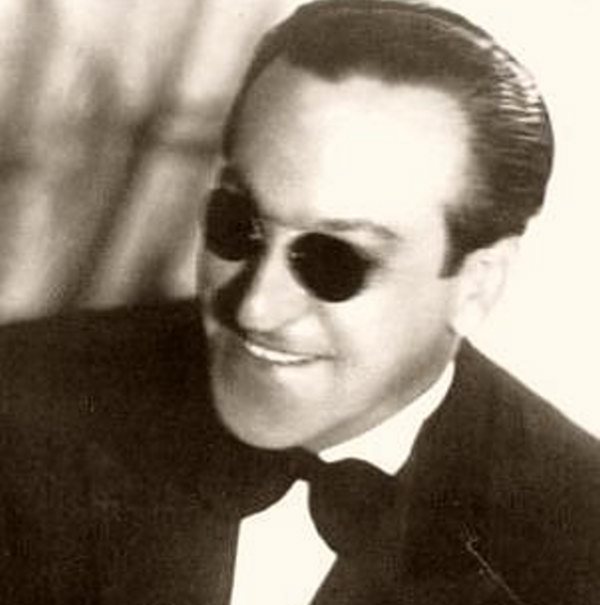
"Motivo sentimental" by Carlos Di Sarli y su Orquesta Típica with Alberto Podestá in vocals, 1944.


"Motivo sentimental" by Carlos Di Sarli y su Orquesta Típica with Alberto Podestá in vocals, 1944.

Carlos Bahr

Lyricist and composer (October 15, 1902 - July 23, 1984)

Little is known about this author, who came to tango poetry due to his early inclination towards literature, which initially shifted towards native songwriting and later embraced urban music. With no secondary education, his formation was that of a classic autodidact who, in reading - done disorderly and without appropriate guidance since childhood - found the means that his natural intelligence was awaiting, eventually acquiring some basic knowledge to refine his language, enrich his intellect, and stimulate his literary vocation. The thematic diversity was notable in Carlos Bahr, even more evident due to the prolific nature of his work.

But his preferred subjects were love and tango itself, which he reflected and recreated in different compositions and with various treatments, never straying from romantic flights and all brimming with urban flavor and authenticity.

We want to share this talented poet's "Motivo sentimental" tango with our audience.

Read more about Carlos Bahr at www.todotango.com

Amazon music

We are happy to have collaborated with the people from tangotunes.com from whom some of you may have heard, they do high-quality transfers from original tango shellacs.


It is the number 1 source for professional Tango DJs all over the world.

- Now they started a new project that addresses the dancers and the website is https://en.mytango.online
You will find two compilations at the beginning, one tango and one vals compilation in amazing quality.
The price is 50€ each (for 32 songs for each compilation) and now the good news!

If you enter the promo code 8343 when you register at this site, you will get a 20% discount!

Thanks for supporting this project, you will find other useful information on the site, a great initiative.

Ver este artículo en español

We have lots more music and history

How to dance to this music?


https://escuelatangoba.com/marcelosolis/motivo-sentimental-by-carlos-di-sarli-y-su-orquesta-tipica-with-alberto-podesta-in-vocals-1944-2/

Monday, October 16, 2023

Exploring the Heart of Argentine Tango: From Dance to Cultural Passion

Exploring the Heart of Argentine Tango: From Dance to Cultural Passion

Exploring the Heart of Tango: From Dance to Cultural Passion

I had the pleasure and honor to be interviewed by Vance Woods (Independent Writer/Editor | Team Lead – Translations/Copy Editor – USA | Archivoz Magazine | Cataloger Valley Library Oregon State University) for his blog "Becoming Argentina."

We talked about how I got to where I am today and how the Escuela de Tango de Buenos Aires came into being, about Tango as a multifaceted manifestation in dance, music, poetry, and more. He asked me what my favorite tango lyrics are, about Tango, Argentina, and Buenos Aires, about the effects the Covid-19 pandemic has had on Tango culture, about what it means to be a milonguero, on Tango as an industry as opposed to Tango as a cultural practice, and how these two aspects interact; and why do you I think that Tango has so strongly appeal.

I enjoyed this interview and know you will enjoy it, too.

Check out this insightful interview.

More articles about Argentine Tango


https://escuelatangoba.com/marcelosolis/becoming-argentina-interviews-marcelo-solis/

Wednesday, August 30, 2023

About training by yourself Argentine Tango

About training by yourself Argentine Tango

About training by yourself

I have a personal story to share with you, in which you may find some similarities with your own, regarding the place that Tango has in our lives.

In the early 1990s, I decided to go full-time into my professional Tango dancing career. I had a busy job in the hotel industry, but I did not feel it was what I wanted to do. However, it was very convenient because I earned a good salary, and the flexible schedule allowed me to study in college and dedicate much of my time and energy to Tango.

I worked for a year and a half with a great partner. She was a skillful dancer, a great person, and a dependable friend who loved Tango like me. We won competitions, trained hard, took classes with the best Maestros, and performed at festivals, conventions, corporate parties, restaurants, and schools. We got so busy that our schedule started to conflict even with my convenient and flexible work hours.

I worked for a year and a half with a great partner. She was a skillful dancer, a great person, and a dependable friend who loved Tango like me. We won competitions, trained hard, took classes with the best Maestros, and performed at festivals, conventions, corporate parties, restaurants, and schools. We got so busy that our schedule started to conflict even with my convenient and flexible work hours.

Not only that. At that point, our gigs were providing me with more income than what I earned with my salary.

You guessed it… I decided to quit my job and dedicate all my time to Tango.

Within less than a week after that decision, I received a call: my partner had been in a car accident.

Long story short, she was fine but would not dance the way a performer should for at least three months.

Life often presents us with these kinds of challenges.

I took it as a test of my commitment to my decisions and Tango.

I did not have my partner to train with, although our partnership strengthened. I did not have money to go to milongas. However, I danced daily, training, studying, watching videos, and remembering what I had learned.

I always remember that time as one of those moments in which my Tango improved exponentially.

I didn’t know it at the time, but as soon as we were able to start dancing together again, my partner noticed it.

Wouldn’t it be a wonderful treat to surprise yourself and those who await us at the milongas when you go next time?

Long live Tango!

Here, I would like to share with you some exercises you can practice by yourself:

Argentine Tango tutorials


https://escuelatangoba.com/marcelosolis/about-training-by-yourself-argentine-tango/

Wednesday, August 9, 2023

8 tips on how to dance Argentine Tango

8 tips on how to dance Argentine Tango

Here are my recommendations to help with your goal of learning to dance Argentine Tango:

Open your mind. While developing the dancer in yourself, you will often be wrong in your valuations. Wait, be patient, pay attention, listen, and watch. That is why you need to trust your teachers. If you like the way they dance, then study with them.


Tip 1: Take classes regularly, and especially private lessons.


Human beings are social. Nothing happens in isolation. The "internet era" may make us believe we can do anything without addressing another human being. It is a false assumption. Behind the virtual walls of the .com enterprises, there are people.

Any activity that you engage in requires interactions with other people. The unique tools that the world wide web and technology, in general, provide us only work when they enhance our relationships with other humans: you need someone you care for and who at the same time cares for you.

This is what classes are: your teacher cares for you, and you care for your teacher with respect, affection, good intentions, mutual generosity, friendship, and the common shared passion for the art of Argentine Tango.

Sometimes, when you come to your first class, you may still not have developed a passion for Tango. In that case, your teacher also teaches you to appreciate and give the correct valuation to this amazing art. Argentine Tango connects you and your teacher and both of you to other students and dancers. It connects you to a culture.

In group classes, you meet others interested in learning about Argentine Tango. They are there for different reasons. What is yours? If your goal is to become a dancer, to integrate yourself and the art of Argentine Tango in a new version of yourself, to be transformed, to make of yourself a work of art, to become a better you, in sum: to be a milonguera or milonguero, you will need to take private lessons. The sooner you take this step, the better.


Group classes are very useful as long as you also combine them with private lessons.


Group classes are beneficial if you combine them with private lessons. In the group class, you will learn about the social aspects of Argentine Tango; you will develop relationships that may help you to experience your first milongas and find friendship, sympathy, and understanding from other people in the same situation.

During private lessons, you can have direct input from an expert on the details that will improve you as a dancer. You are on the right path if you can dance with your teacher during most of the class. The best way, and maybe the only way, to incorporate the many nuanced layers of Argentine Tango is to dance with an experienced milonguero in a private lesson and do it regularly for an extended period. It would be best if you were consistent and constant in your development as a dancer. Avoid gaps and interruptions in your private lessons. Once a week is a minimum you will need to engage in to see results, but two sessions of two hours each every week is optimal.

Words are sometimes not only unnecessary but could also get in the way. As well as the best way to learn a language is to talk in this language with a native speaker who is your teacher and who reveals to you the sparks of culture and everyday life present in the words and the grammar of that language, Argentine Tango, which could be partially compared to a language, will be best revealed to you by dancing with an expert dancer in a private lesson setting, where there is time and space to stop when necessary and direct your and your teacher's attention to what needs it the most.

In a private lesson, words and explanations will appear when necessary to answer your questions and learn to see Argentine Tango from the point of view of your teacher, who has been involved in it much longer than you, has been dancing at milongas for a long time, and is recognized among his peers from Buenos Aires.


Dancing with your teacher is priceless.


Dancing with your teacher, if he is knowledgeable, reliable, and recognized among his milonguero peers, is priceless and the only way to become an authentic Argentine Tango dancer, a milonguera or milonguero.

Explore more:

- I invite you to watch my teachers dancing…


- If you live in the San Francisco Bay Area, you may be interested in my instruction…


- Are you going to Buenos Aires? Visit Escuela de Tango de Buenos Aires there…

Tip 2: Think about Tango. Review details in your mind that are important and make a difference.


You need to integrate movements, attitudes, ideas and emotions into your whole life. That is the way of Argentine Tango.


In every class and private lesson, there will be elements learned: posture, walking to the cadence of Argentine Tango music, connection to your partner through the couple's axis, pivots, ochos, turns, etc.; details pointed out by your teacher: not leaning back, gazing forward and parallel to the floor, touching the floor with the inside edge of your shoe, maintaining your weight on one or both feet, etc.; remarks regarding Argentine Tango music: instrumentation, rhythm, nomenclature, etc.; social aspects of Argentine Tango: line of dance, cabeceo, entering the dance floor, tandas, etc.; the embrace, the way you hold your partner, and many other pieces of information that your teacher shares with you regarding what Argentine Tango is and what dancing means in general.

Review all this in your mind. Integrating these movements, attitudes, ideas, and emotions into your life would be best. That is the way of Argentine Tango.

Explore more:

- I wrote some articles on this subject...


- I also have some recommendations for books, movies, documentaries, and other websites about Argentine Tango...


- Also, you can find videos to review what you learned in class...

Tip 3: Practice every day. You do not need to set a time or commit to long practice sessions. Even a little is good. Anytime, all the time: Tango is Life.


Argentine Tango, when danced well, looks spontaneous.


Argentine Tango, when danced well, looks spontaneous. Such a characteristic is achieved only after lots of practice integrated into your life in a way that does not need to be separated from your everyday activities, from the life that you live every day: your work and profession, your family, your friends, your outings, your workout, etc.

In Buenos Aires, I practiced my moves while waiting for the bus. A student who went to the same gym I used to go to used to practice all her tango moves on the treadmill. My grandparents danced in the kitchen when my grandma cooked dinner and the radio played a tango they liked. You have infinite opportunities to practice Argentine Tango.

Explore more:

- Find some videos to review what you worked on in class...

Tip 4: Listen to music from orchestras of the Golden Era. Those recordings have the cadence that you need to incorporate into your moves. Get to know the songs and become familiar with them.


If you know the music very well, you will be at home in Argentine Tango.


Your goal with learning to dance Argentine Tango is to become a milonguero or milonguero, a person to which dancing Argentine Tango is the spinal cord of their life.

You will regularly go to milongas, preferably in Buenos Aires, to the milongas that care about the "codigos", the nuances in the social aspects of Argentine Tango, which enhance and promote the excellence of the dance.

In the milongas, where quality dancing is the standard, a common element among all the participants is the knowledge of the music. If you know the music very well, you will be at home.

Develop your library of Argentine Tango music and create your playlists, ordering the songs by orchestras, by date of recording, by musicians integrated into these orchestras, by singers, by rhythm, etc. A good exercise is to create a playlist for a milonga. This will challenge you to listen, acquire, and research each song.

Explore more:

- Learn more about and listen to Argentine Tango music...

Tip 5: You are passionate about Tango. This passion is what fuels your growth as a dancer. Focus and direct this passion efficiently.


You dance Argentine Tango to become a better example of a human being.


Sometimes, dancing Argentine Tango is regarded as an addiction. That's not correct. Argentine Tango, as art, as wisdom, is a way for you to become stronger, wiser, more aware, and more present. You dance Argentine Tango to become a better example of a human being.

Like a tool, the results depend on how you handle it. Take care of yourself, as well as take care of Argentine Tango, its past, and its future. You can consider Argentine Tango your home. Be conscious of the way you dispose of it and of the people who share their love for Argentine Tango with you.

Explore more:

- I wrote some articles on this topic...


- I also have some recommendations on books, movies, documentaries, and other websites about Argentine Tango...

Tip 6: Choose your teachers wisely. Search for the roots of this art.


Keep in mind that you come to class to be educated about Argentine Tango, and not to learn steps.


First, you will need to gather information about Argentine Tango and the instructors in your area.

You may need to go and take some classes with them. Do not ask to observe the class for free. If you watch the class and do not participate, you will still learn, so be respectful and appreciative and at least pay for that class. But also, you won't know much about this teacher in one class, and less if you do not risk putting yourself in there. Remember: what do you know about Argentine Tango? Tango takes many years, even decades, to be understood.

Choose your teacher based on whether you like how they dance because it awakens indescribable emotions that say: "I want to dance like that!"

Always remember that you come to class to be educated about Argentine Tango, not to learn steps. This should shape your attitude towards the class and what you demand from your teacher.

Explore more:

- Watch my teachers dancing…

Tip 7: Go to milongas. You do not need to dance. Start going as soon as possible. Become part of the milonga and then dance.


When the time comes, you will feel ready to dance.


Milongas are a wonderful place, full of positive emotions and attitudes when the crowd is committed to good dancing. Listening to beautiful music, having pleasant conversations, and watching inspiring dancing are all excellent reasons to be at milongas, even if you don't dance.

When the time comes, you will feel ready to dance. You should not feel any pressure. You are at a party surrounded by good friends. It's not the same experience if you go to milongas and force yourself to dance surrounded by strangers.

Explore more:

- If you are in the San Francisco Bay Area, enjoy our milongas...

Tip 8: Go to Buenos Aires. See what Tango is. You only will know it in its context.


Visit Buenos Aires guided by a milonguero.


Visit Buenos Aires guided by a milonguero. If your goal is to master the art of Argentine Tango, you will achieve a  complete comprehension of Tango only if you become recognized by the community of best dancers there, which we call "milongueros" in a general way, but who are individuals, with a name and a reputation of great dancers. Not anyone who calls himself "milonguero" is a milonguero. That is why you will need to be introduced by a member of this community.

You do not need to move to Buenos Aires. You can visit Buenos Aires often and go to the milongas where Tango is still lived as a culture, and also, fundamentally, take classes with excellent milonguero teachers, many of whom do not travel abroad, from whom you can receive essential insights into the dance, its history, its philosophy and way of life.

We are missing more and more of these milongueras and milongueros forever due to the natural course of life. It is our last chance. If you care, come to Buenos Aires, seize your opportunity to meet them and take lessons from them, go to the milongas they go to, watch them dance and how they behave, and talk to them. Perhaps one day, you will pass all these insights on to a future generation of milongueros.

Explore more:

- Come to Buenos Aires…

Conclusion


Argentine Tango is a way of life by which you make a work of art of yourself and your life, sharing the beauty you create with other like-minded people in a community that cares about you but does not demand anything from you other than being a good dancer.


Tango is a manifestation of what humankind can achieve.


Authentic milongueros, those who love Tango and have dedicated their lives to this art in such an integrated way that Tango is a synonym for life, will look at you with sadness if you take Tango superficially, as mere entertainment, as a distraction because Tango is, in essence, a way to take hold of your life, to be responsible for yourself and for your peers, and for Tango itself, as a manifestation of what humankind can achieve.


TANGO IS A WAY OF LIFE.

If you are in the San Francisco Bay Area and want to learn to dance Tango, you can:

- Take private lessons at Escuela de Tango de Buenos Aires...


- Find a semi-private (small group) class for intermediate students...


- Enjoy dancing Tango at our milongas...


- Come to Buenos Aires with us...


https://escuelatangoba.com/marcelosolis/how-to-dance-argentine-tango/

Saturday, August 5, 2023

"Caserón de tejas" by Pedro Laurenz y su Orquesta Típica with Alberto Del Campo in vocals, 1942.


"Caserón de tejas" by Pedro Laurenz y su Orquesta Típica with Alberto Del Campo in vocals, 1942.

Cátulo Castillo

Poet, lyricist, composer, and director (August 6, 1906 - October 19, 1975)

An astonishing fact is that Cátulo could have been, at the same time, an inspired musician and poet, and a renowned boxer who came to win the title of Argentine featherweight champion.

His political commitment to the exploited inspired his early works, but he would also contribute emblematic works for other issues.

Such is the case of “Caserón de tejas”, a beautiful waltz from 1941, with music by Sebastián Piana, where longing for the neighborhood and childhood merge.

Other of his important works are “Tinta Roja” and “María”.

Read more about Cátulo Castillo at www.todotango.com

Amazon music

We are happy to have a collaboration with the people from tangotunes.com from whom some of you may have heard, they do high-quality transfers from original tango shellacs.


It is the number 1 source for professional Tango DJs worldwide.

- Now they started a new project that addresses the dancers and the website is https://en.mytango.online
You will find two compilations at the beginning, one tango and one vals compilation in amazing quality.
The price is 50€ each (for 32 songs for each compilation) and now the good news!

If you enter the promo code 8343 when you register at this site you will get a 20% discount!


Thanks for supporting this project; you will find other useful information on the site. A great initiative.

Ver este artículo en español

We have lots more music and history

How to dance to this music?


https://escuelatangoba.com/marcelosolis/caseron-de-tejas-by-pedro-laurenz-y-su-orquesta-tipica-with-alberto-del-campo-in-vocals-1942/

Wednesday, August 2, 2023

"Vieja luna" by Carlos Di Sarli y su Orquesta Típica with Jorge Durán in vocals, 1945.


"Vieja luna" by Carlos Di Sarli y su Orquesta Típica with Jorge Durán in vocals, 1945.

Celedonio Flores

Poet and lyricist (August 3, 1896 - July 28, 1947)

When asked in an interview about how he created his successful works, Celedonio Flores answered:

“I search for a piece of life, I live it through in my mind, I take it seriously, and then slowly and carefully I put to work with the lyrics”.

And continued: "As I have had my own experiences and wandered around, as I've met scoundrels myself, I can boast of having lived a thousand characters. I am not one of those who believe that the funny tango reflects people's feelings. We all know that tango is sad as any other music of ours".

Among his creations, we can mention "Muchacho", "El bulín de la calle Ayacucho", "Corrientes y Esmeralda", "Atenti pebeta", and the tango we share with you today, "Vieja luna", by Carlos Di Sarli.

Read more about Celedonio Flores at www.todotango.com

Amazon music

We are happy to have a collaboration with the people from tangotunes.com from whom some of you may have heard, do high-quality transfers from original tango shellacs.


It is the number 1 source for professional Tango DJs worldwide.

- Now they started a new project that addresses the dancers and the website is https://en.mytango.online
You will find two compilations at the beginning, one tango and one vals compilation in amazing quality.
The price is 50€ each (for 32 songs for each compilation) and now the good news!

If you enter the promo code 8343 when you register at this site you will get a 20% discount!


Thanks for supporting this project; you will find other useful information on the site, a great initiative.

Ver este artículo en español

We have lots more music and history

How to dance to this music?


https://escuelatangoba.com/marcelosolis/vieja-luna-by-carlos-di-sarli-y-su-orquesta-tipica-with-jorge-duran-in-vocals-1945/

Sunday, July 30, 2023

Argentine Tango for beginners

Argentine Tango for beginners

Argentine Tango for beginners

Learning Argentine Tango is a unique experience for each individual. That is why we recommend private lessons to beginners.

Starting with private lessons as a newcomer to Argentine Tango is highly beneficial. The personalized attention, customized learning pace, and focused skill development offered in private lessons will significantly accelerate the learning process. Additionally, private lessons provide a safe and comfortable environment for building confidence and preparing for semi-private (small group) classes or social dances (milongas). While they may come at a higher cost, individualized instruction can significantly contribute to a solid foundation in Argentine Tango.

We offer a 10% discount on our private lessons to new students. Please contact us to receive a 10% discount promotion code.

Contact us to receive a 10% discount promotion code

How long does it take to learn to dance Argentine Tango?

Here's the answer


https://escuelatangoba.com/marcelosolis/tango-classes/argentine-tango-for-beginners/