Tuesday, July 25, 2023

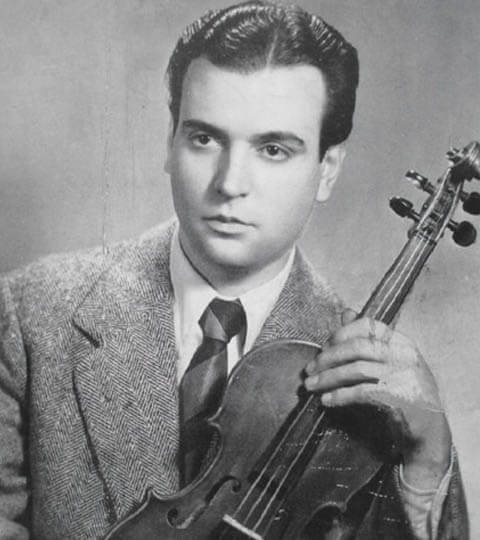
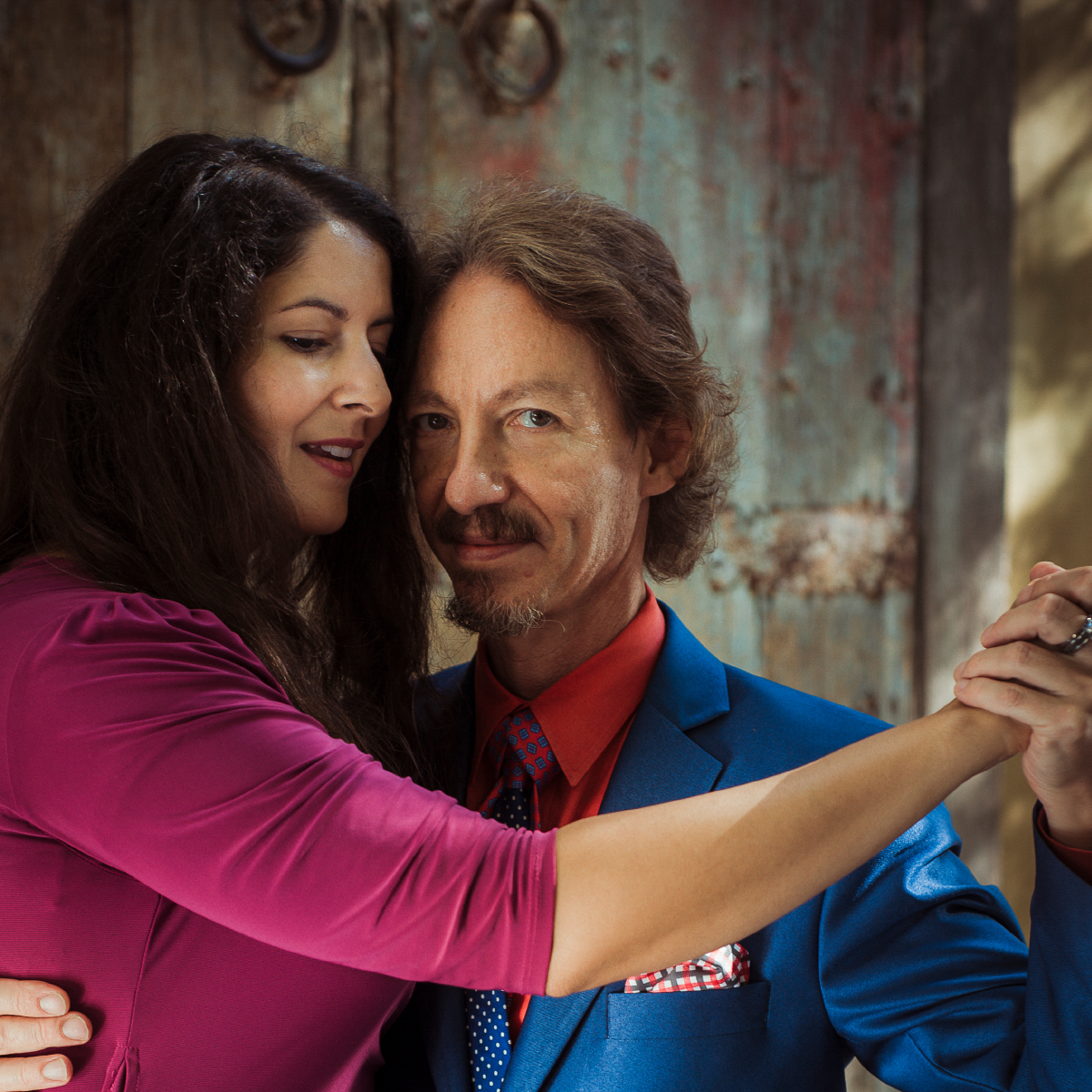
"El encopao" by Anibal Troilo y su orquesta Típica with Francisco Fiorentino in vocals, 1942.


"El encopao" by Anibal Troilo y su orquesta Típica with Francisco Fiorentino in vocals, 1942.

Enrique Dizeo

Lyricist (July 26, 1893 - May 6, 1980)

His inclination towards popular poetry, which he approached out of instinct, sensitivity, natural and awakened intelligence, had its early expressions at a center with artistic pretensions in a carnival outfit where he made his first rhymed scribbles. Precisely through this outfit, his first tango was born, and it reached popularity: “Romántico bulincito”, with music by Augusto Gentile. From then on, his passion and his profession was Tango. 

He succeeded in handling a language that has a close relationship with lunfardo, where what has to do with town is merged with the things of the outskirts in harmonic alloy, to offer paintings and expressions of an authentic porteño character.

Read more about Enrique Dizeo at www.todotango.com

Listen and buy:
Amazon music

We are happy to have a collaboration with the people from tangotunes.com from whom some of you may have heard, they do high-quality transfers from original tango shellacs.


It is the number 1 source for professional Tango DJs worldwide.

- Now they started a new project that addresses the dancers and the website is https://en.mytango.online
You will find two compilations at the beginning, one tango and one vals compilation in amazing quality.
The price is 50€ each (32 songs for each compilation) and now the good news!

If you enter the promo code 8343 when you register at this site, you will get a 20% discount!

Thanks for supporting this project; you will find other useful information on the site, a great initiative.

Ver este artículo en español

We have lots more music and history

How to dance to this music?


https://escuelatangoba.com/marcelosolis/el-encopao-by-anibal-troilo-y-su-orquesta-tipica-with-francisco-fiorentino-in-vocals-1942/

Monday, July 17, 2023

"Dice un refrán" by Ángel D'Agostino y su Orquesta Típica with Ángel Vargas in vocals, 1942.


"Dice un refrán" by Ángel D'Agostino y su Orquesta Típica with Ángel Vargas in vocals, 1942.

Enrique Domingo Cadícamo

(July 15, 1900 – December 3, 1999)

He was a prolific Argentine Tango lyricist, poet, and novelist.

From an initial Symbolist bent, he developed a distinctive, lunfardo-rich style from an early age, and by 1925 he had his first piece, Pompas de jabón”, sung by Carlos Gardel.

Other notable compositions include Madame Ivonne”, “Che, papusa, oí”, “Anclado en París”Muñeca brava”Pa' que bailen los muchachos”Los mareados”, and the song we share with you today, "Dice un refrán”, with music by Ángel D’Agostino.

Read more about Enrique Cadícamo at wikipedia.org

Amazon Music

We are happy to have collaborated with the people from tangotunes.com, from whom some of you may have heard; they do high-quality transfers from original tango shellacs.


It is the number 1 source for professional Tango DJs worldwide.

- Now, they started a new project that addresses the dancers, and the website is https://en.mytango.online
You will find two compilations at the beginning, one tango and one vals collection in amazing quality.
The price is 50€ each (for 32 songs for each compilation), and now the good news!

If you enter the promo code 8343 when you register at this site, you will get a 20% discount!


Thanks for supporting this project. You will find other useful information on the site, which is a great initiative.

Ver este artículo en español

We have lots more music and history

How to dance to this music?


https://escuelatangoba.com/marcelosolis/dice-un-refran-by-angel-dagostino-y-su-orquesta-tipica-with-angel-vargas-in-vocals-1942/

Tuesday, July 11, 2023

Troilo, Anibal

Troilo, Anibal

​Troilo, Anibal

"Pichuco"-"El Bandoneón Mayor de Buenos Aires"

Bandoneon player, leader, and composer.

(July 11, 1914 - May 18, 1975)

It is said that he had something from Pedro Maffia. Still, suppose someone has influenced his way of playing, in the form of developing a conversation on the bandoneon, in his touching capacity when delaying notes in his phrasing. In that case, this one has been Ciriaco Ortiz. He played slightly bent forward; eyes closed, his double chin hanging. Sometime later, he remarked: «It is said that I am very often moved and that I cry. Yes, it is true. But I never do these things for trivial reasons».

Read more about Anibal Troilo at www.todotango.com

More Tango music


https://escuelatangoba.com/marcelosolis/argentine-tango-resourses/argentine-tango-music/troilo-anibal/

Sunday, July 9, 2023

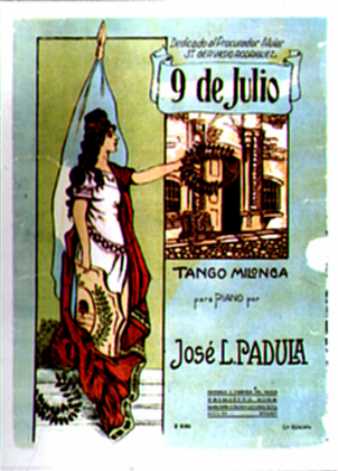
"Nueve de Julio" by Juan D'Arienzo y su Orquesta Típica, 1935.


9 de julio. Argentine music at Escuela de Tango de Buenos Aires.José Luis Padula


Guitarist, pianist, composer, and leader.


(October 30, 1893 - June 12, 1945)

This musician son of immigrants, born in the northern province of Tucumán, delved into tango and folk music. His father was Italian, he transferred to him his inclination for music.


As a child, he played harmonica and guitar. Unfortunately, he became an orphan at age 12, and he didn't have the support of his mother. About her, very little is known. Therefore, being still very young, he went out to the streets to work for a living.

He had the idea of attaching his harmonica to the guitar. He fixed it to a stick fastened by a belt to the upper part of the instrument, and so it reached his mouth.

The curiosity that such a combination woke up in people, added to his musical intuition and his facility for melody, allowed him to travel throughout his province and other neighboring places until arriving in Rosario city, in the province of Santa Fe. Continue reading at www.todotango.com...

Leer este artículo en español.


Listen and buy here:


See more Argentine Tango Music:
https://escuelatangoba.com/marcelosolis/nueve-de-julio-by-juan-darienzo-y-su-orquesta-tipica-1935/

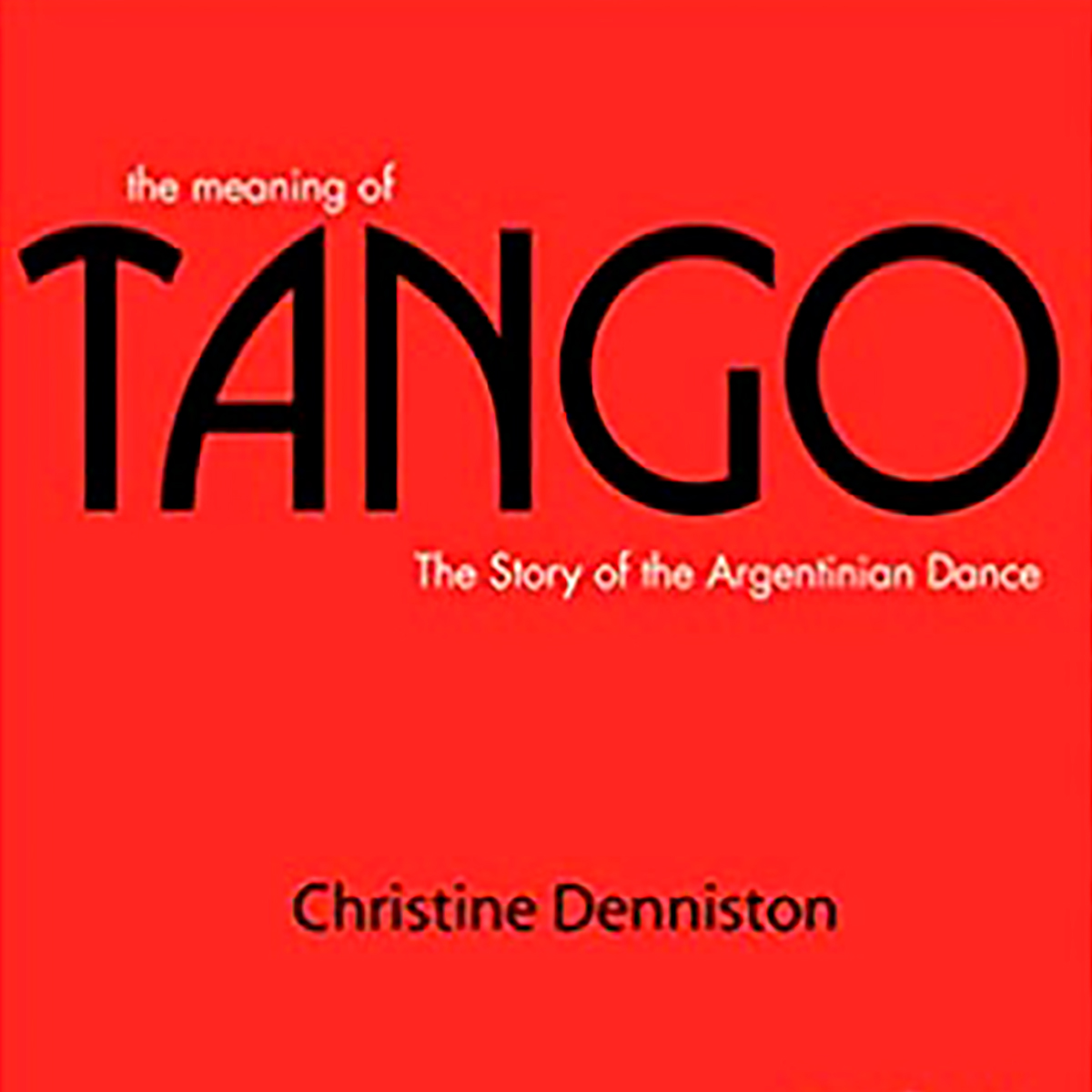
"The Meaning of Tango: the story of the Argentinean dance", by Christine Denniston.


"The Meaning of Tango: the story of the Argentinean dance"

by Christine Denniston.


"This way of walking takes time and effort to learn. Two complete beginners standing together in their first class have almost no chance of being able to do it correctly." 

We have lots of recommendations

How to dance Argentine Tango?


https://escuelatangoba.com/marcelosolis/the-meaning-of-tango-the-story-of-the-argentinean-dance-by-christine-denniston/

Thursday, June 15, 2023

"Don Agustín Bardi" by Osvaldo Pugliese y su Orquesta Típica, 1961.


"Don Agustín Bardi" by Osvaldo Pugliese y su Orquesta Típica, 1961.

Horacio Salgán

Pianist, leader and composer (June 15, 1916 - August 19, 2016)

He put together his first orchestra in 1944.

About it, he confessed: "The idea of forming it was, in a way, linked to music composing. I began to compose because I wanted to play tango in a pre-established way. I didn't want to be a composer but to play tangos the way I liked. The same happened with the orchestra. As I liked to play tangos in my style, the only possible way was to have my group. Then I put it together. Some people enjoy being bandleaders, but I was interested in my pianistic vocation. I had no intention of creating anything".

Read more about Horacio Salgán at www.todotango.com

Ver este artículo en español

We have lots more music and history

How to dance to this music?


https://escuelatangoba.com/marcelosolis/don-agustin-bardi-by-osvaldo-pugliese-y-su-orquesta-tipica-1961-argentine-tango-music/

Thursday, June 8, 2023

"The Meaning of Tango: the story of the Argentinean dance", by Christine Denniston.


"The Meaning of Tango: the story of the Argentinean dance"

by Christine Denniston.

When I first fell in love with the Tango, I aimed to make myself as nice to dance with as possible so that good dancers would want to dance with me.

I was very fortunate to have encountered a group of people determined to understand how Tango was danced in Buenos Aires. To begin with, we took classes where we could and shared the little information we had. Often we found that the things different people told us about the Tango were contradictory and confusing. There was only one thing to do: go to Buenos Aires and find out how it was done. (Quoted from the introduction)
We have lots of recommendations

How to dance Argentine Tango?


https://escuelatangoba.com/marcelosolis/the-meaning-of-tango-the-story-of-the-argentinean-dance-by-christine-denniston/

Tuesday, May 30, 2023

Argentine Tango Workshop with María Olivera

Argentine Tango Workshop with María Olivera

Argentine Tango Workshop with María Olivera

I am thrilled to organize a workshop with great Maestra and milonguera from Buenos Aires María Olivera.

Date: Sunday, June 4, from 12 to 2 pm.

The place: La Pista, 3450 Third Street, San Francisco.

Price: $60 in advance, $65 at the door.

This workshop is for leaders and followers, as individual dancers or couples.

We plan to start with exercises to strengthen your foundations and progress from simple ideas to more complex ones.

María Olivera's method combines passion and love for dance with a deep knowledge of anatomy and kinetics acquired from other disciplines such as yoga, stretching, Pilates, and the innovative system Low-Pressure Fitness.

For private lessons with María, contact her at info@tangomaria.com.

Register for this workshop with María Olivera

Find more classes

About Argentine Tango


https://escuelatangoba.com/marcelosolis/argentine-tango-workshop-with-maria-olivera/

Thursday, May 25, 2023

Argentine Tango Workshop with María Olivera

Argentine Tango Workshop with María Olivera

Argentine Tango Workshop with María Olivera

I am thrilled to organize a workshop with great Maestra and milonguera from Buenos Aires María Olivera.

Date: Sunday, June 4, from 12 to 2 pm.

The place: La Pista, 3450 Third Street, San Francisco.

Price: $60 in advance, $65 at the door.

This workshop is for leaders and followers, as individual dancers or couples.

We plan to start with exercises to strengthen your foundations and progress from simple ideas to more complex ones.

María Olivera's method combines passion and love for dance with a deep knowledge of anatomy and kinetics acquired from other disciplines such as yoga, stretching, Pilates, and the innovative system Low-Pressure Fitness.

For private lessons with María, contact her at info@tangomaria.com.

Register for this workshop with María Olivera

We look forward to sharing our knowledge and passion for Tango.

Find more classes

About Argentine Tango


https://escuelatangoba.com/marcelosolis/argentine-tango-workshop-with-maria-olivera/

Tuesday, May 23, 2023

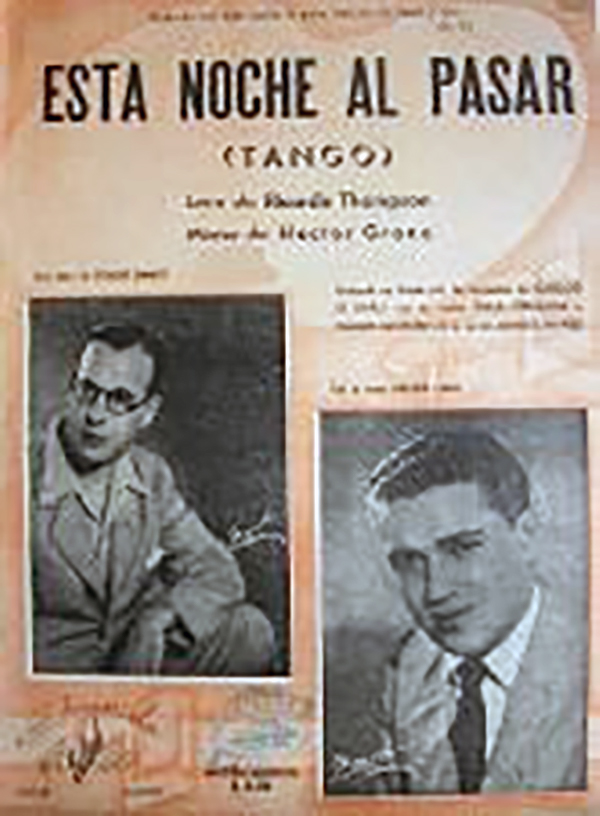
"Esta noche al pasar" by Ricardo Tanturi y su Orquesta Típica with Enrique Campos in vocals, 1945.


"Esta noche al pasar" by Ricardo Tanturi y su Orquesta Típica with Enrique Campos in vocals, 1945.

Héctor Grané

Pianist, leader, and composer (May 23, 1914 - n/d)

Héctor Grané stood out as a pianist and arranger, imprinting his interpretations with an excellent milonguero taste.

From 1936 to 45, he was an orchestrator, and his hand shows in the orchestra's drag, the high point of the arrangements, and the solos that make up the impressive quality it maintained in its years.

Read more about Héctor Grané at www.todotango.com

Ver este artículo en español

We have lots more music and history

How to dance to this music?


https://escuelatangoba.com/marcelosolis/esta-noche-al-pasar-by-ricardo-tanturi-y-su-orquesta-tipica-with-enrique-campos-in-vocals-1945-argentine-tango-music/

Monday, May 22, 2023

"Pájaro ciego" by Anibal Troilo y su Orquesta Típica with Amadeo Mandarino and Francisco Fiorentino in vocals, 1941.


"Pájaro ciego" by Anibal Troilo y su Orquesta Típica with Amadeo Mandarino and Francisco Fiorentino in vocals, 1941.

Amadeo Mandarino

Singer (May 22, 1913 - June 12, 1996)

He was an interpreter with a gentle voice, a baritone register, a perfect intonation, and a phrasing typical of Buenos Aires, to which we must add his pleasant personality and great sense of friendship.

In early 1940 he was summoned by his friend Aníbal Troilo to be a vocalist in his orchestra along with Francisco Fiorentino.

His tenure lasted nearly two years, and he split on December 31, 1941.

In a duo with Fiorentino, he committed to record only one number: Antonio Bonavena’s and Lito Bayardo’s tango “Pájaro ciego”, recorded on May 28, 1941.

A requisite of the Victor company was why he had not recorded more numbers because they preferred Fiorentino for his cashbox hits.

The singer’s withdrawal did not influence his friendship with Pichuco or Fiore.

Read more about Amadeo Mandarino at www.todotango.com

Ver este artículo en español

We have lots more music and history

How to dance to this music?


https://escuelatangoba.com/marcelosolis/pajaro-ciego-by-anibal-troilo-y-su-orquesta-tipica-with-amadeo-mandarino-and-francisco-fiorentino-in-vocals-1941-argentine-tango-music/

Tuesday, May 16, 2023

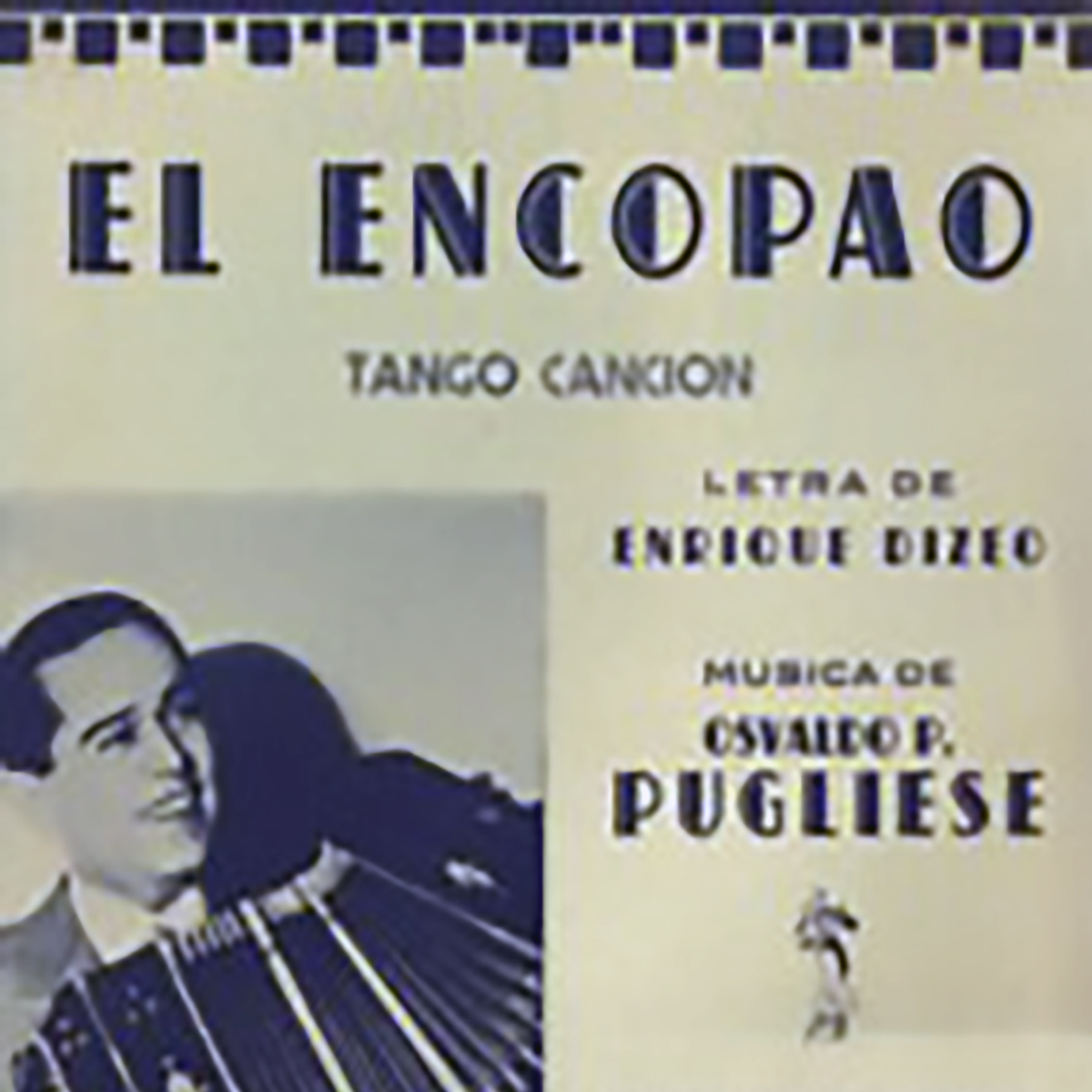
What is Tango?

What is Tango?

What is Argentine Tango?

“Tango is Life”

What does this sentence mean?

It suggests that those who do not tango don't know what life is.

Can such a radical thought make sense?

Ask anyone involved in Tango passionately, which is the only way to be involved in it, and that will be the answer.

This attitude in relation to Tango is rooted in the fact that Tango provides you with fulfillment, opening you up to the possibility of making your life a work of Art.

In America (North America), people think of Tango as a dance (always with the prejudice that dance means "performance", conceived as something put on for a spectator,) perhaps also as a music genre. Still, the Spanish-speaking population knows that Tango is also words, lyrics, poetry, and "chamuyo" (for Argentineans).

These are words essential to knowing Tango in all its relevant aspects. Enrique Santos Discépolo, the author of many essential tangos, declared, "Tango is a sad thought that is danced".

Every word in this phrase demands explanations that will never exhaust their meaning.

What kind of "sad thought," then, is Tango?

It is looking at the past with the feelings of what went away and realizing how little we have left to leave us, too.

“Jamás retornarás”

“Cuando dijo adiós, quise llorar…
Luego sin su amor, quise gritar…
Todos los ensueños que albergó mi corazón
(toda mi ilusión),
cayeron a pedazos.
Pronto volveré, dijo al partir.
Loco la esperé… ¡Pobre de mí!
Y hoy, que tanto tiempo ha transcurrido sin volver,
siento que he perdido su querer.

Jamás retornarás…
lo dice el alma mía,
y en esta soledad
te nombro noche y día.
¿Por qué, por qué te fuiste de mi lado
y tan cruel has destrozado
mi corazón?
Jamás retornarás…
lo dice el alma mía
y, aunque muriendo está,
te espera sin cesar.

Cuánto le imploré: vuelve, mi amor…
Cuánto la besé, ¡con qué fervor!
Algo me decía que jamás iba a volver,
que el anochecer
en mi alma se anidaba.
Pronto volveré, dijo al partir.
Mucho la esperé… ¡Pobre de mí!
Y hoy, que al fin comprendo
la penosa y cruel verdad,
siento que la vida se me va.”

"You will never return"

When she said goodbye, I wanted to cry…

Then without her love, I wanted to scream…
All the daydreams dwelling in my heart
(all I dreamt of),
fell to pieces.
I’ll be back soon; she said as she left.
A fool, I waited for her… Poor me!
And today, so much time has passed without her coming back,
I can feel that I have lost her love.

You will never return…
my soul says so,
and in this solitude
I call your name night and day.
Why, why did you leave my side
and so cruel, have you destroyed
my heart?
You will never return…
my soul says,
and, although it is dying,
it is waiting for you incessantly.

How much I begged her: come back, my love…
How much I kissed her, how fervently!
Something told me that she would never return,
as the nightfall
was nesting in my soul.
I’ll be back soon; she said as she left.
I waited for her so much… Poor me!
And today, at last I understand
the painful and cruel truth,
I feel that life is leaving me.

Osmar Maderna and Miguel Caló, with Raúl Berón singing.

The lyrics are about love, a broken heart, an unfulfilled promise, and unsatisfied hopes. But, it is also a view of life from the perspective of realizing that life, and everything in it, goes away: “Y hoy, que al fin comprendo / la penosa y cruel verdad, / siento que la vida se me va.” (And today, that at last I understand / the painful and cruel truth, / I feel that life is leaving me.)

Did Osmar Maderna, one of the authors, know that he was destined to die, suddenly, at age 32, in an accident?

His short life was feverishly productive: a piano virtuoso, a gifted composer, an in-demand arranger, a successful conductor, a great friend, a beloved husband, a passionate amateur aviator… So when he left his home in Pehuajó, a city located 230 miles southwest of Buenos Aires, to start his independent life as a musician in the capital, he asked his brother to tell everyone that he went to buy a bandoneon

How can one not be passionate about Tango?

Tango gives you a purpose: to make the world beautiful, starting with yourself, since you are the most accessible, affordable, and appropriate canvas to be the experimental field for you to probe into your understanding of beauty before being accepted by others and daring yourself to go beyond yourself and do whatever you want with it in a world into which you exist, a world populated with meanings that tend to be shaped by prejudices and misinterpretations, by accumulation and overlapping of meanings, gifted, inherited, imposed by others, or developed by you to justify some of your beliefs, hide your hypocrisies and calm your anxieties.

You will need to probe your creation, dance, and style to be refreshing and more meaningful than what is already out there.

That is exactly what it is to be a “milonguera” (a woman who regularly dances tango) or “milonguero” (same for a man).

We, milongueros, decided to accept to live in a world that reproduces the kind of existence described above, where our life is possible not only by our participation in the economy of our societies, by having a job like everyone else, but beyond this primary satisfaction of our elementary needs, we EXIST in accordance with what is beautiful, with “compás y elegancia” (musicality and aesthetic energy efficiency), shaping every manifestation of our being-in-the-world-with-others according to proportions that are the same, that seem, from our human perception, to underlie the universe.

Pythagoras (495 BC), after researching what notes sounded pleasant together, worked out the frequency ratios (or string length ratios with equal tension,) and found that they had a particular mathematical relationship. The octave was found to be a 1:2 ratio, and what we call today a fifth to be a 2:3 ratio.

Ratios produce all the notes of a musical scale.

The same as rhythm can be defined by ratios.

Including the rests -pauses-, essential to dancing Tango.

And the proportions of our bodies.

Proportions are everywhere.

The artist uses this awareness of proportions as a guide to creation.

And now, combine all these proportions with another human, who, being of the same species, is also different from you.

One of these differences is that we are sexed.

Being sexed is related to our mortality. We need this duality to preserve our species. And when the raw sensations of our sexuality fade away, only the human embrace -more than anything- still satisfies our need for consolation in the face of the abyss of the infinite void of death, always ahead.

How fulfilling to learn about our bodies, our existence in the world, discipline, and train ourselves to extract beauty from the depths of our lives! How exciting to engage in such adventures in the company of that mysterious being that is so familiar and yet such a stranger! A being that calls us like the mermaids would, with a voice that draws out from our perception all other indicia, which will harmonize with that music, which, in its bold approach, recalls the tragic inevitability of a storm that will take away all our superficial possessions, and leave us only with ourselves, longing for an embrace.

In Plato’s “The Symposium”, Aristophanes tells a legend that the human being was, in its origins, a double being, composed of two entities, of what is today a human body. These creatures offended the gods, so they cut them in half. The beings’ first reaction was to embrace each other.

We like to say in Argentina: “el Tango te espera” (Tango is waiting for you).

This patient waiting is another manifestation of its call, not a call that awakens our curiosity, like the sounds of our cellphones, always buzzing with WhatsApp, Facebook, Instagram, and text messages.

It is the call of a challenge that is not easy to respond to, that is not user-friendly, that makes you think, that scares you and pushes you away in the same measure of (if we could quantify it somehow) seduction and attractiveness with which it appears to you.

Do not worry. It’s great to have that feeling! That means you are alive!

Resources:
Enrique Santos Discépolo
Urban dictionary
Osmar Maderna
Miguél Caló
Martin Heidegger
Roy Hornsby, “What Heidegger Means by Being-in-the-World”
Sigmund Freud
Gilles Deleuze
Michel Foucault
Michel Onfray
Jean Baudrillard
Friedrich Nietzsche
Plato’s “The Symposium”

This article continues…

Read this article at Medium.com

Leer este artículo en español

Learn to dance Argentine Tango


https://escuelatangoba.com/marcelosolis/what-is-tango-2/
Monday, May 15, 2023

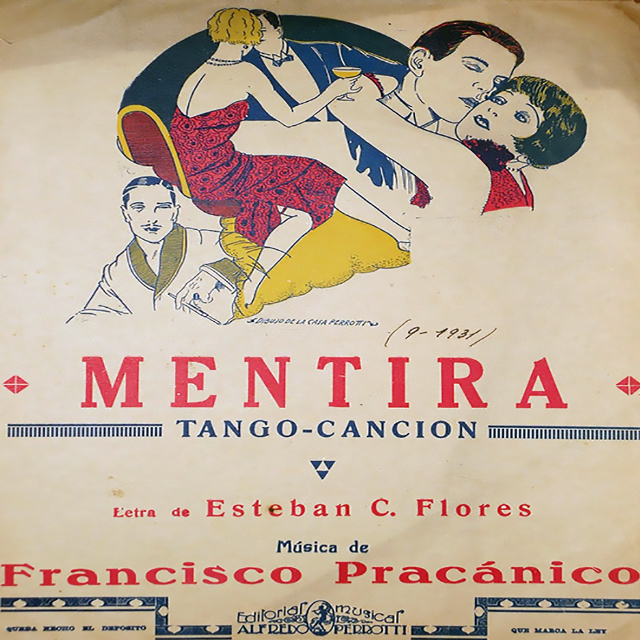
"Mentira" by Ángel D'Agostino y su Orquesta Típica with Ángel Vargas in vocals, 1945.


"Mentira" by Ángel D'Agostino y su Orquesta Típica with Ángel Vargas in vocals, 1945.

Francisco Pracánico

Pianist, composer and leader (May 15, 1898 - December 30, 1971)

Today he is remembered more as a composer than an interpreter, undoubtedly due to the difficulty in finding the recordings of his orchestra. 

All his compositions are memorable pages, often possessing a sorrowful melody of rare and precious nostalgia.

As an orchestra conductor, he kept his style unaltered, with certain similarities to several orchestras of the period, as suitable for dancers as for those who wanted to listen to a fashionable record comfortably at home.

Read more about Francisco Pracánico at www.todotango.com

Ver este artículo en español

We have lots more music and history

How to dance to this music?


https://escuelatangoba.com/marcelosolis/mentira-by-angel-dagostino-y-su-orquesta-tipica-with-angel-vargas-in-vocals-1945-argentine-tango-music/

Saturday, May 13, 2023

Gobbi, Alfredo

Gobbi, Alfredo

Gobbi, Alfredo

"El violín romántico del Tango"

Violinist, leader, and composer

(May 14, 1912 - May 21, 1965)

Unequaled name, with more than six decades of unaltered force throughout two generations, is Alfredo Gobbi's. When that indefatigable pioneer of the difficult beginnings of the tango conquest, called D. Alfredo Eusebio Gobbi, culminated his long artistic performing career, his son, Alfredo Gobbi as well, was sticking out towards consecration as the proper continuer of an illustrious popular artistic tradition of ours. Learn more at www.todotango.com.

Listen to Alfredo Gobbi's recordings

More Argentine Tango music


https://escuelatangoba.com/marcelosolis/argentine-tango-resourses/argentine-tango-music/gobbi-alfredo/

Friday, May 12, 2023

Argentine Tango Workshop with María Olivera

Argentine Tango Workshop with María Olivera

Argentine Tango Workshop with María Olivera

I am thrilled to organize a workshop with great Maestra and milonguera from Buenos Aires María Olivera.

Date: Sunday, June 4, from 12 to 2 pm.

The place: La Pista, 3450 Third Street, San Francisco.

Price: $60 in advance, $65 at the door.

This workshop is for leaders and followers, as individual dancers or couples.

We plan to start with exercises to strengthen your foundations and progress from simple ideas to more complex ones.

María Olivera's method combines passion and love for dance with a deep knowledge of anatomy and kinetics acquired from other disciplines such as yoga, stretching, Pilates, and the innovative system Low-Pressure Fitness.

For private lessons with María, contact her at info@tangomaria.com.

Register for this workshop with María Olivera

We look forward to sharing our knowledge and passion for Tango.

Find more classes

About Argentine Tango


https://escuelatangoba.com/marcelosolis/argentine-tango-workshop-with-maria-olivera/